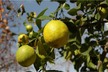
Lime groves return to S. Florida
A few years after the storm, the Florida Department of Agriculture led a campaign to stop the spread of citrus canker, a disease that disfigures citrus trees. The department mandated that infected citrus trees and trees exposed to the disease be destroyed, including lime trees.
Since 2008, Abess, chairman and CEO of ThinkLAB Ventures, and his family have been buying up farmland in southern Miami-Dade, focusing in part on avocados, mangoes, and limes.
Limes, which can be harvested throughout the year, were a key spoke in the area's agricultural wheel prior to Hurricane Andrew. But the season immediately after Andrew, a Category 5 hurricane, the Miami-Dade commercial lime industry packed 228,453 bushels of limes, much fewer than the nearly 1.7 million bushels packed the season before the hurricane struck, said Alan Flinn, director of the Avocado Administrative Committee.
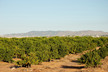
At the 10-acre Redland commercial operation, the 4,000 trees that have been planted are so far free from canker, as well as from citrus greening, a more damaging disease that has been affecting the orange groves in Central Florida.
It took $60,000 to get the operation off the ground in 2012 and another $20,000 annually to maintain the grove, which includes pest management and nutritional supplements, said Fishman, 29.
It could take up to seven years for a lime tree to become fully mature, said Charles LaPradd, Miami-Dade's agriculture manager. Because the harvest is low, the lime growing initiative can't reach a full-scale commercial operation.
Philcox and Fishman said they are confident the lime initiative will grow. Fishman said in the coming months the existing 10 acres would yield a larger harvest and another 30 acres are to be planted in the future.
Source: tampabay.com