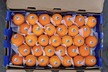
Plans to increase levies to move citrus industry forward
The National Citrus Growers' Levy Ballot is open all month, and proposes to boost the Horticulture Australia R&D levy by more than $1, to $3.20 per tonne, and increase the Plant Health Australia biosecurity levy tenfold, from three cents to 30 cents per tonne.
CEO of Citrus Australia Judith Damiani says the current levels of investment are no longer enough to fund what's needed to move the industry forward. She says the ballot is long overdue and necessary if the 1,800 growers involved want to develop new strategies.
"Export, market access, science to support improved access, breaking down technical (and non-technical) barriers... is probably the biggest issue."
Doing more to protect the industry from exotic pests and diseases is also high on the agenda.
Competition with lower-cost citrus-producing nations like South Africa and Chile is also requiring Australian exporters to work 'smarter'.
Ms Damiani says the industry needs to find new lower-cost solutions and technology, break down costs in the supply chain, and provide higher value produce.
Major citrus grower and exporter Allen Jenkin, from Ironbark Citrus at Mundubbera in Queensland, says the levy rises are good, and set at reasonable rates. He says there's been no R&D levy increase for a long time, and that fund shortages have prevented Citrus Australia from fully meeting its strategic plan.
"As state governments have become less and less provider of services to our industry, we must provide for ourselves and this is the main vehicle for doing so."
He says vigilance to tackle biosecurity risks like citrus greening disease from Papua New Guinea is critical to maintaining the health of the Australian crop.
Improving market access to major customers by changing things like storage temperature regimes, and increasing the number of export varieties, are also key focuses of R&D, Mr Jenkin said.
Source: abc.net.au