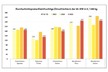
A pound of lemons at Tesco in Prague currently costs 45 Czech crowns (1.63 Euro), which means 90 crowns per kilo (3.26 Euro). In Albert stores, a kilo of lemons imported from South Africa also costs 90 crowns and one-pound package is sold for 52 crowns (1.88 Euro). These are record-breaking prices in the Czech Republic.
"The average retail price of lemons in August 2014 was 72.55 crowns per kilo (2.62 Euro), which is the highest on record," said Tomáš Chrámecký, of the Czech Statistical Office. The price data for September are not yet available because the whole month is taken into account.
Lemon prices have remained above average since the end of June, when the harvested finished in Spain. Turkey's crops ripen just before the start of autumn. Over the summer, they must be imported from overseas, and therefore they are usually more expensive, but this year prices have been driven to exceptionally high levels because of Argentina's poor harvest.
Waiting for Turkey
"Europe imports about 60% of its lemons from Argentina. When reports came of frosts affecting the flowering, panic broke out in the market, fearing shortages. Prices therefore headed up," says Miroslav Esterle, business manager of the largest domestic importer of fruits and vegetables, Čerozfrucht. Argentina's harvest was finally about half the usual volume.
In Spain, the lemon season goes from late November to June. Turkish lemons will arrive between 15 and 20 September and will be on the market until January-February.
Source: novinky.cz