US: Rambutan, the next popular super fruit?
Rambutan enjoys a history of use not only as a delicious and succulent fruit, but also as a traditional medicine. The fruit has long been used to quell dysentery, while the rind contains a variety of beneficial compounds that demonstrate antioxidant and anti-cancer properties. Compounds responsible for this include the ellagitannins and xanthones. Additionally, some research shows that the hulls of rambutans contain several compounds that demonstrate value in inhibiting fatty acid synthase. These findings, published in the journal Carbohydrate Research, suggest that an extract of rambutan hulls could be a potentially effective anti-obesity aid.
From a nutritional standpoint, rambutan is a good source of natural sugars, potassium, calcium and magnesium. It is a modest source of fibre, and contains several B vitamins.
Rambutan is not an antioxidant heavyweight on a par with acai or pomegranate. But it does offer something extraordinary, in terms of consistency and flavour. The consistency of the fruit is slippery and juicy. Eating rambutans can be somewhat messy, because when they are fully ripe, the fruits can squirt a little when opened. True rambutan devotees do not care, just as lovers of ripe peaches favour their juiciness. The flavour is another matter altogether. Moderately sweet, similar to lychee and somewhat floral, the fruits win over most new tasters on the spot.
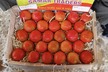
Most rambutan fruits are red, yet there are yellow varieties too. The difference between them appears to be the variations in antioxidant pigments in the skins, as the inner fruits remain pretty much the same colour. Rambutans are pollinated by various flies, bees and ants, and ripen only on the tree. Once picked, they do not ripen further.
In Southeast Asia, honey made from the nectar of rambutan is considered a special treat. In that region, the fruits are often packed and sold in cans, in addition to being available fresh in local markets. The fruit is also made into jams and jellies. These products are delightfully flavourful.
Source: foxnews.com