The recovery of the major economies of the European Union and the projections for 2014, 1.5 percent in the UK, 1.3 percent in Germany, 0.8 percent in France and 0.9 percent in the Euro zone as a whole, open up great possibilities for a rebound in trade and, under the free Trade Agreement that came into force on August first, to place duty free Colombian products in that market.
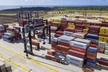
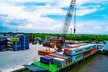
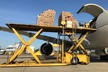
However, not all that glitters is gold. Although Germany, Belgium, Holland, Ireland, Spain and Portugal are among the main Colombian customers, both in exports and imports, the costs of logistics, due to a weak infrastructure, make it very difficult to gain access to those markets.
According to the National Association of Foreign Trade (Analdex), supported by World Bank reports, while, in Colombia, the cost of transporting a container of an industrial plant to a port is about $2,255 dollars and takes 14 days to be processed, and the cost of importing is $2,830, Chile, for example, can reach those markets at a cost of $980 per container and in 15 days.
Other cases to compare: Peru, that also signed FTAs with the 28 country bloc, can be reach it in 12 days at a cost of $1,450 dollars per container. And Mexico can send a container to the European Union in 12 days, with a unit cost of $1,450, while it takes 17 days for the countries of Latin America and the Caribbean to do it, but at a lower cost, $1,268 to export and $1,612 to import.
Javier Díaz Molina, Analdex's president considers the underlying problem that causes this loss of competitiveness is the low and slow investment in infrastructure.
The Executive President of the Chamber, Lylliam Arango Mesa, called on entrepreneurs to move past excuses and pretexts, to participate in that market and to advance in the modernization of their export supply, with high added value. "The future arrived yesterday," she said, quoting Peter Drucker.
Source: Elcolombiano.com