Fruit and vegetable import system protecting EU consumers
Over 71,000 consignments subject to reinforced controls reached EU borders in 2012. Of those, 10,610 were sampled for laboratory analysis and 751 (i.e., 7.1%) were found in breach of EU legislation and were prevented from entering the EU market. Some products achieved satisfactory levels of compliance and were therefore removed from the list of imports targeted for controls. These are: feed additives and pre-mixtures from India (tested for lead and cadmium), chili peppers from Peru (aflatoxins), chilli and chilli products from all non-EU countries (Sudan dyes).
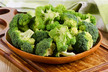
However, Chinese broccoli and nutmeg and mace from Indonesia were added to the list for the possible presence of pesticides and aflatoxins. Due to the very high non-compliance levels reported in 2012, more stringent conditions were adopted for the import of groundnuts from Ghana and India, okra and curry leaves from India and watermelon seeds from Nigeria: these must now be accompanied by results of sampling and analysis and by a health certificate verified by authorised representatives of the country of origin.
The report is published in the framework of Regulation (EC) No 669/2009 on an increased level of official controls on certain imports of food and feed of non-animal origin, contains the list (reviewed on a quarterly basis) of imports subject to increased border controls.
Source: agri.eu