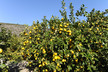
The large international citrus exporter has reported the theft of material for the production of the new early clementine variety, Clemensoon, one of Anecoop's exclusives that can only be produced by their partnered cooperatives. The theft, which took place a few days ago in a plantation in northern Valencia, left the plantation severely damaged and Anecoop's technicians paid a visit to take photos and prepare a report to help in the search for the thieves.
Anecoop's Legal Services Director, Salvador P. Roig, explained that "all these thefts of material in the Valencian Region are solely intended to facilitate the illegal growing of the variety. The thieves, however, should have a hard time doing this, as the owner grants licences for the growing of the variety, but not for the fruit's commercialisation, and as a result they will be easy to locate as soon as they are produced, given the strict traceability controls in place."
Advances in the research of new varieties have also helped establish their genetic components, so a simple DNA analysis allows for the exact identification of the variety even before the tree produces any fruit.
Anecoop, owner of the variety and the exclusive rights for their sale, also keeps a registry of all the material sold and its geographical location; information which, by using the traceability systems in place, can be obtained from the barcode that accompanies the product once the fruits are to be sold. For this reason, in addition to how easy it can be to identify fruits produced with stolen material, as well as their geographical origin, those buying or using the material could be committing a double offence: one for the reproduction of a protected variety without authorisation, and another for purchasing the product of stolen material.
In this sense, representatives of Anecoop explained that "times have changed, and when growers buy plant material they must demand to see the seller's identification, the variety they are purchasing and the origin of the material purchased, keeping proof of everything to avoid unpleasant surprises or become liable to criminal prosecution."
The development of this new clementine variety is one of Anecoop's activities intended to offer greater profitability to its members; its controlled production is aimed at preventing oversupply issues and improving the potential profitability of the variety.