© Consorzio Euroagrumi O.P. Soc. Coop. Cons.
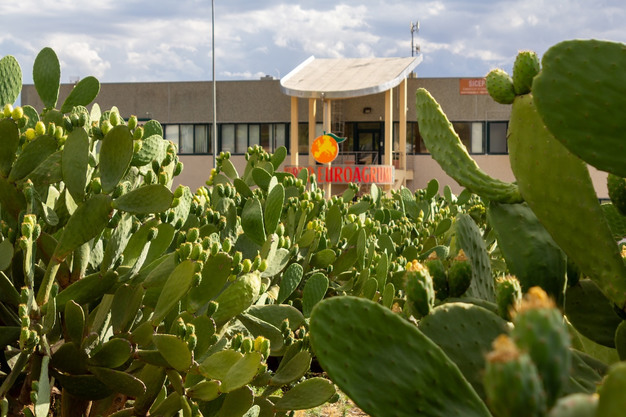
The 2025 Etna prickly pear campaign began during the first week of August, about ten days later than usual. The delay occurred because the fruit did not receive enough heat to ripen properly in the expected timeframe. Salvatore Rapisarda, director of the Euroagrumi OP Consortium of Biancavilla, explains, "Prickly pears are hardy and adaptable, but sensitive to slight climatic variations, especially during the ripening phase." Despite the initial delay, production forecasts are positive, anticipating superior fruit quality and slightly increased volumes compared to previous fruit campaigns.
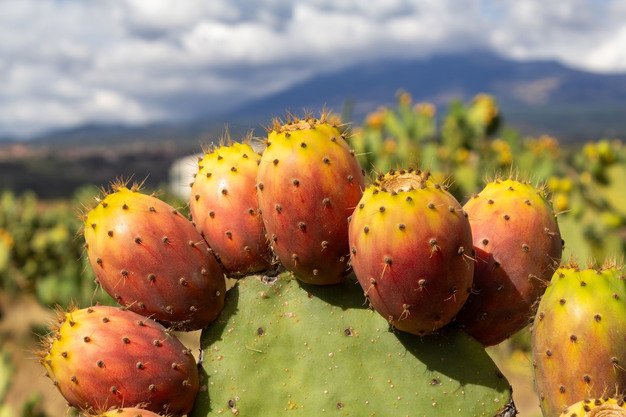
The area cultivated with prickly pears continues to expand, with over three thousand hectares currently dedicated to the crop, particularly in the Etna area. This growth is driven by the plant's high water-use efficiency - a key advantage in the face of climate change - as well as rising demand from companies. Their interest extends beyond the sale of the fresh fruit to include industrial processing, involving both the fruit and the cladodes.
 © Consorzio Euroagrumi O.P. Soc. Coop. Cons.
The prickly pear is a versatile fruit used in many supply chains. According to Rapisarda, juices, jams, and supplements are derived from the fruit pulp, while functional drinks, gels, cosmetics, and nutraceutical ingredients are produced from the cladodes. This crop also offers environmental benefits. It helps protect the land, prevent erosion, and improve biodiversity. Additionally, it requires minimal irrigation.
 © Consorzio Euroagrumi O.P. Soc. Coop. Cons.
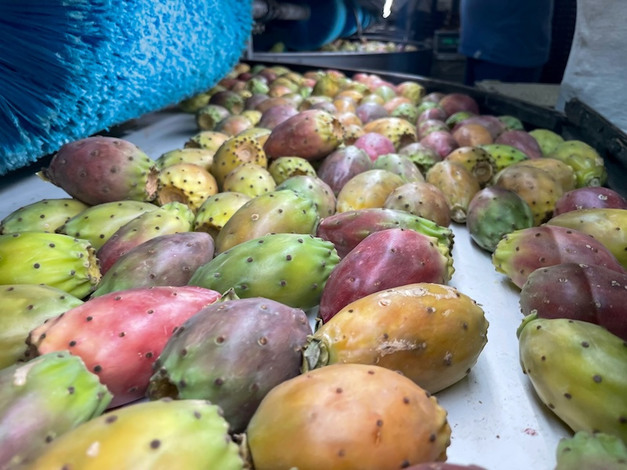
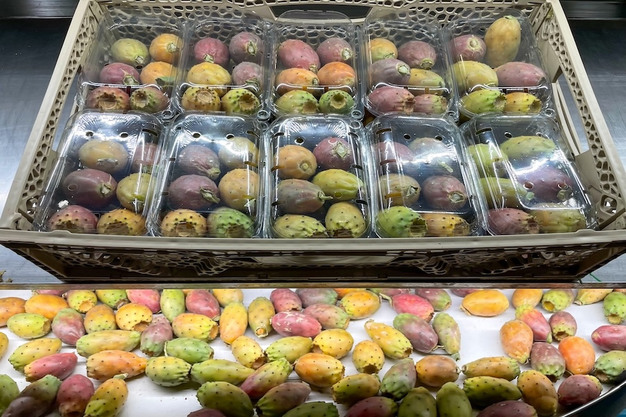
In terms of commercialization, prickly pears are being consumed more widely, even in areas and foreign markets where consumption of the fruit was previously limited. Interest is growing in northern Italian regions as well as in European countries such as Germany, France, and the Netherlands. The future of the Sicilian prickly pear depends on four strategic pillars: promotion of the geographical origin, innovation of the product, guarantee of environmental sustainability, and international promotional efforts.
 © Consorzio Euroagrumi O.P. Soc. Coop. Cons.
The Euroagrumi OP Consortium is committed to strengthening traceability, investing in research, and enhancing communication. During the previous season, it launched communication campaigns at national events such as the Venice Biennale, and secured in-depth television coverage on national programs including "Melaverde," "L'Ingrediente Perfetto," and "La Natura dal Campo alla Tavola."
 © Consorzio Euroagrumi O.P. Soc. Coop. Cons.
For more information: Euroagrumi O.P
Via C. Colombo, 124
95033 Biancavilla (CT) - Italy
+39 095 5183839
[email protected]
www.euroagrumi.it