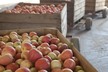
Nectarine cultivation is being adopted in Punjab, offering a new fruit crop for growers and attracting consumer interest, according to Muhammad Aqeel Feroze, Senior Scientist at the Barani Agricultural Research Institute (BARI), Chakwal.
Nectarines, imported from Italy in 2016 under a fruit initiative, are now cultivated primarily in the Potohar Plateau and arid southern Punjab. Feroze notes that a single tree can produce approximately 160kg in three years, comparing the fruit's care requirements favorably to mango and orange trees. He emphasized, "In winter, when the leaves fall, we prune the trees to control over-fruiting; otherwise, the sheer weight of the fruit can snap the branches."
The harvesting cycle begins with flowering in late February and ripening by mid-May. Local demand is emerging, with Pakistani nectarines starting to replace imported ones on supermarket shelves. Feroze noted, "At present, these are only seen in high-end stores. Soon you will find local nectarines everywhere, as they are fresher and more affordable." He advised growers to market nectarines through digital platforms to effectively reach urban consumers.
Commercial viability requires a minimum of five acres, accommodating 200 trees each, with mature orchards yielding over 7,000kg and fetching approximately $0.68 per kg in local markets, potentially more in exports. Basic pest management is sufficient. Beyond fresh sales, nectarines can also be processed into goods like jams and skincare items. Nursery saplings are available at BARI's Chakwal station between January 15 and February 15. Feroze stated, "We are always available to guide farmers."
Source: INP