It wouldn't be very difficult to have a better stone fruit season than last year, as 2025 was truly a devastating year, says Akin Söyleyen, marketing manager for Turkish fruit exporter Aksun: "After a disastrous 2025 season, Turkish stone fruit growers and exporters are watching the 2026 bloom with cautious optimism. The April 2025 frost, the worst one in more than a century, knocked Turkey from the world's third-largest cherry exporter to eighth in a single season, with cherry yield falling 60% to 400,000 tons and peach and nectarine volumes down 45% to 649,000 tons. Malatya, the dried apricot capital of the world, saw near-total crop loss, and the shock wave carried through to the fresh fruit sector as well."
 © Aksun
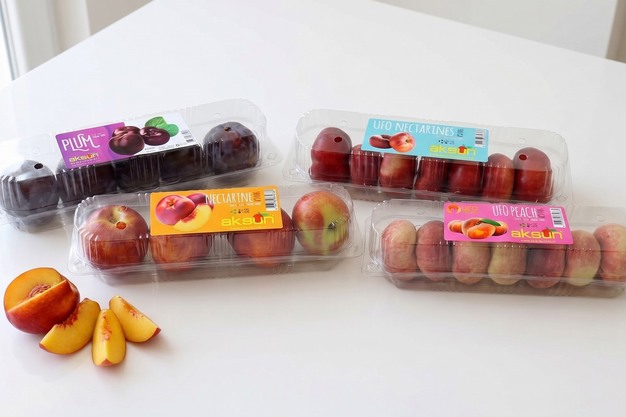
With flowering now well advanced across the country, the picture this spring looks very different, Söyleyen states. "In the Mediterranean, the bloom has progressed well, and we haven't seen a repeat of what hit the eastern part of our country last April. Mersin, Silifke, and Adana are already carrying the first fruit of the season. The Magador apricot, grown under row covers in Silifke, is among the very earliest commercial apricots harvested anywhere in the world, and typically opens the Turkish stone fruit calendar in early to mid-May. If conditions hold, we're planning to begin shipping our first apricots, nectarines, and peaches next week."
The recovery of the cherry cultivation is visible in several Turkish regions, Söyleyen explains: "In Central and Eastern Anatolia, the cherry and apricot heartlands, growers are also reporting that development is broadly in line with a normal year, with field assessments in Malatya pointing to a recovery of around 60 to 80% of normal production if the weather stays supportive through the rest of April. It won't all be straightforward, however. Last year's frost and the drought that followed left a lot of stress on the trees themselves. Even where volumes are bouncing back, we may see smaller sizing than usual this season. Buyers need to factor that into their programs now rather than at harvest."
 © Aksun
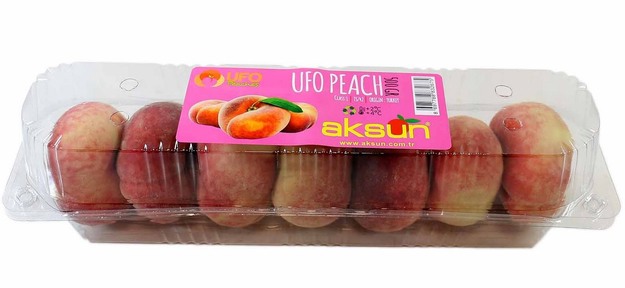
"The 2025 collapse left a clear mark on the market. Turkish cherry exports are forecast at around 10,000 tons, against roughly 66,000 the prior year," Söyleyen continues. "EU imports of Turkish cherries fell close to 60%, and export unit values doubled in the first months of the season as up to 98% of the harvest was redirected to the domestic market. No alternative origin was able to fully cover the gap for European and Russian buyers during the summer window."
 © Aksun
For 2026, the outlook hinges on the next few weeks: "A clean run through late April would consolidate the recovery story; another late cold event would push the market straight back into scarcity mode. We expect this to be a recovery year for Turkish growers and exporters. Volumes won't be back to pre-2025 levels, but programs will be running again, and first shipments are imminent. Importers who sat out last season should be talking to their suppliers now about what is realistic for this one," Söyleyen concludes.
For more information:
Akin Söyleyen
Aksun
Tel: +90 324 234 41 90
Mobile: +90 532 590 75 92
Email: [email protected]
www.aksun.com.tr/en/