According to Guillermo Salas, from the company Greenvic, the Chilean fruit sector is currently going through a period of adjustments characterized by the results of the last cherry campaign and the growing importance of other products, such as kiwifruit. He has carried out an analysis of the sector's prospects.
 © Greenvic
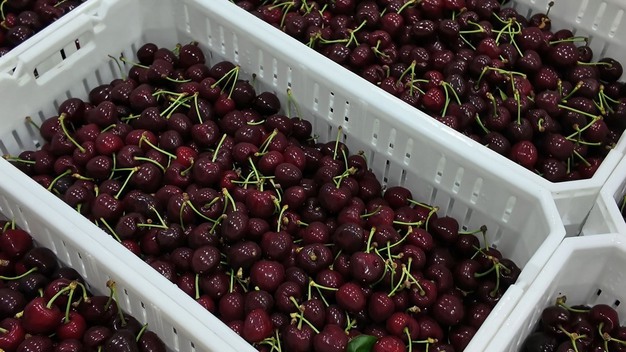
The last two years have been particularly difficult for cherry producers due to the behavior of the Chinese market, the main destination for this fruit. "We've already had two years in a row of severe problems in the Chinese market," says Salas. Amongst the key factors, he highlights the shipment of unsuitable sizes and problems with the fruit's condition on arrival.
 © Greenvic
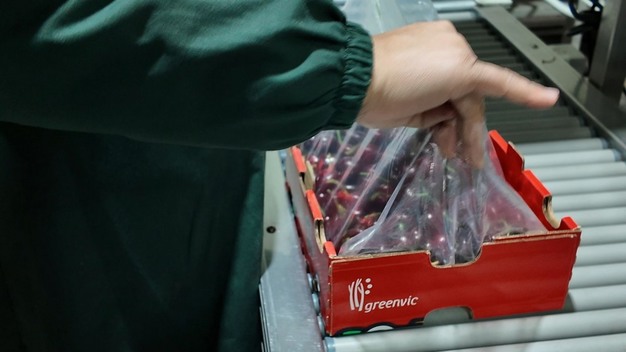
The executive stresses that the sector should adjust its strategy. "We have to make sure to deliver the right product at the right time." He also warns that traditionally well-accepted sizes, such as the L or XL, have lost value to superior categories, such as the double jumbo, and this has taken a direct toll on profitability.
Added to this scenario is the economic context in China and the high costs associated with cherry production and logistics, which have resulted in unfavorable returns. "Cherries require a very high investment, so you need a significant return, which hasn't been obtained," he says.
 © Greenvic
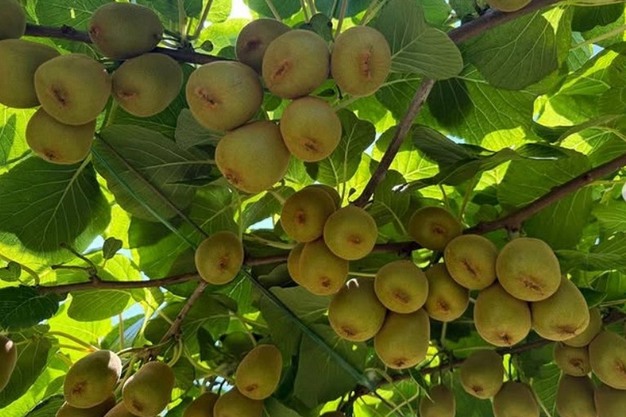
In contrast, kiwifruit is now positioned as one of the most promising products in the Chilean export range. The new season is starting with good prospects after a historic previous year. "Kiwifruit has already generated very significant returns for several years now, with the best all-time results achieved in the previous season," says Salas.
However, he warns that the growth in supply could drive prices down in the future. Still, prices are expected to remain at similar levels as last year, especially for early shipments.
 © Greenvic
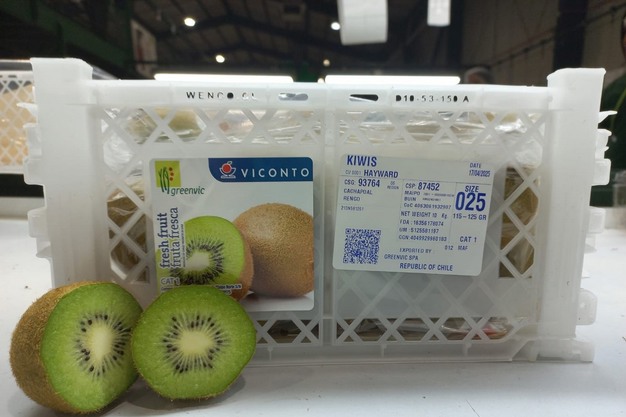
Chilean kiwifruit exports are highly diversified, with destinations in Latin America, Europe, India, and Russia. Brazil stands out as one of the main regional consumers, together with Argentina and Ecuador, so Latin America is an important market.
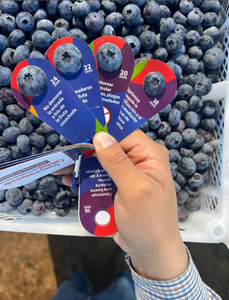 © Greenvic The blueberry segment also remains relevant, although with strong competition from Peru. "Chile has to compete not only in terms of volume, but also in genetics," says Salas, highlighting the need for differentiation in order to gain access to higher value markets.
At the same time, external factors such as the increase in oil costs represent a cross-cutting challenge for the industry. "Oil affects the entire production and marketing chain," he says. Sea freight and competitiveness are bound to be affected, especially in distant markets.
Lastly, Salas highlights the growing importance of Latin America as a destination for fruits such as apples and pears. "Demand from Latin America has been very high for the last five years, even higher than Europe's in some periods," he says, highlighting logistical and proximity advantages that strengthen its strategic relevance.
 © Greenvic For more information:
Guillermo Salas
Greenvic
Chile
Tel.: +569 8828 7053
[email protected]
www.greenvic.cl