The current brassica situation in Southern Italy shows a marked difference between the various areas. In the northern Foggia area, in Puglia, the season is almost over and should end within a month. In Basilicata, on the other hand, production remains crucial to ensure supply continuity. In this context, companies like Natura Ortaggi in San Nicola di Melfi (Potenza), which manage to be on the market for 11 months of the year, have a great advantage because they manage to keep produce available even in the most difficult periods, when supply is scarce.
 © Natura Ortaggi
Nonetheless, there is a shortage of product at the moment. "The problem is not only caused by the recent bad weather, but also by previous difficulties: at the beginning of the year, heavy rains slowed down transplanting, preventing all the planned areas from being cultivated. Now the situation has worsened due to new disturbances that are also damaging ready-to-harvest products. The persistent weather instability, characterised by incessant rains and river overflows, has triggered a rapid deterioration in the phytosanitary health of crops. Current estimates indicate a conservative loss of 30-40% of the crop still in the field," reports sales manager Pasquale Bruno.
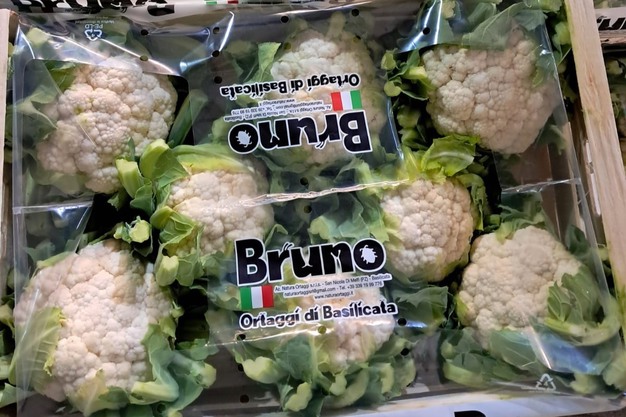
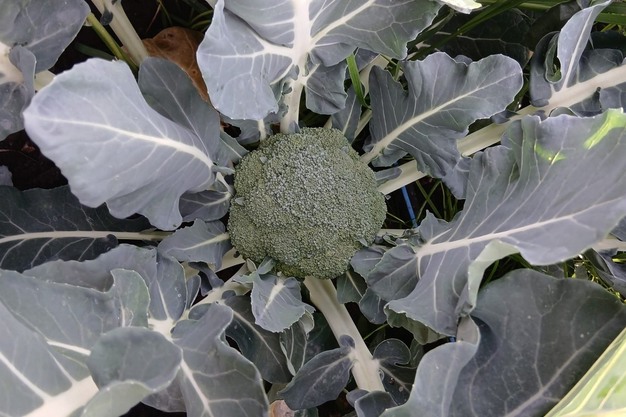
"As far as cauliflowers are concerned, there is a marked deterioration in aesthetic parameters. Excess moisture has caused the colour to change from 'bright white' to yellowish tones with spots that prevent access to the big retail chains. The main challenge for broccoli, on the other hand, is the exponential acceleration of fungal diseases (moulds)."
 © Natura Ortaggi
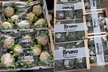
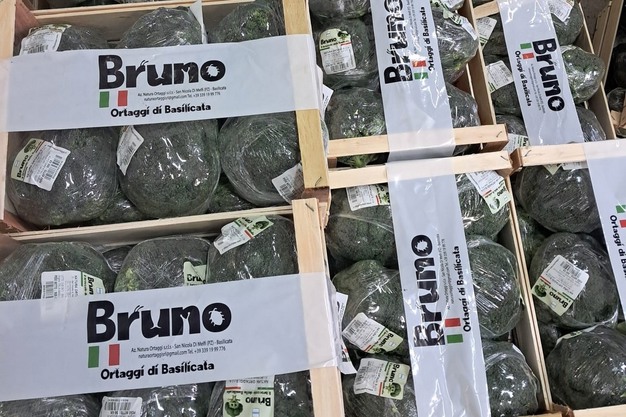
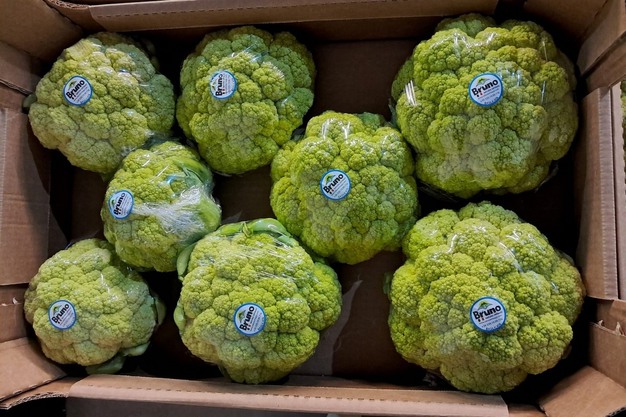
"If we talk about exports, Germany is the main market at this stage of the season. Italy is in a favourable position because Spain, and especially the Murcia area, is producing less than expected. Usually, this country is very competitive when it comes to prices, but this year it is not able to meet the demand from Northern Europe. For this reason, German buyers, who normally choose cheaper Spanish products, are buying from Southern Italy. Even if prices are higher, they prefer to secure their supply. Demand is mainly concentrated on products that are already packaged and ready to sell, such as filmed broccoli and 500 gram flowpacks."
According to the sales manager, the Italian market is also following this trend, as both sales and prices are increasing. "This confirms that there is a shortage of brassicas throughout Europe."
 © Natura Ortaggi
In the current geopolitical context, producers are facing a strong increase in costs. "These are not normal market fluctuations, but a profound change that has significantly raised the minimum level of gains needed by the farms."
"Looking at the main production costs, increases are very high. Agricultural diesel has risen from around EUR 0.70 per litre to EUR 1.70 (+143%), while nitrogen fertilisers have risen from EUR 30 to EUR 100 per quintal (+233%)."
Planning remains a must
According to Bruno, this season in particular has highlighted a great fragility in the agricultural system and marks an important change. "It is no longer possible to work without real planning and rely only on improvised or speculative choices. With production costs that have more than doubled, it has become very risky to sell on the free market. A change in approach is needed to make the sector more robust. The role of intermediaries, who often buy at low prices in times of difficulty for producers, is also losing importance. This system no longer guarantees the sustainability of farms."
 © Natura Ortaggi
"On the contrary, the direct relationship with big retail chains is becoming increasingly pivotal. Planned sales allow for more stable and secure prices, offering a kind of protection against rising costs and market fluctuations. In this way, producers can better protect their margins and work with more security," concludes Bruno.
 For more information:
Natura Ortaggi Srls
Industrial area
85025 Melfi (PZ) - Italy
+39 339 199 9776
[email protected]