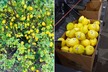
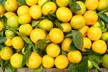
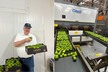
Salix Fruits recently completed visits to lemon growers and packers in Tucumán, Argentina, and reports a season shaped by contrasting forces: favorable fruit formation followed by heavy rains, alongside strong international demand.
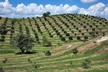
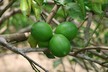
From a climate perspective, a dry spring initially supported fruit development and quality. However, intense rainfall between January and March has complicated internal farm roads, delaying harvest operations. Growers estimate that volumes may not move for at least two weeks, depending on weather improvements, with forecasts suggesting further rainfall in the coming days. Despite these logistical hurdles, orchards show a recovery in production compared to last year, ensuring good fruit availability once harvest resumes.
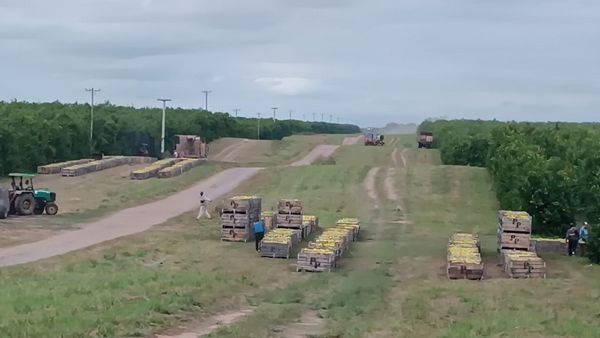 © Salix Fruits
"The fruit set was very promising thanks to the dry spring, but the heavy rains in recent months have created real challenges for logistics and harvest timing," said Juan González Pita, COO of Salix Fruits. "We are monitoring the situation closely, but overall production looks stronger than last year, which is encouraging."
On the commercial side, expectations remain positive. With limited supply from Europe and Turkey, demand is strong across key markets including Europe, Russia, Ukraine, and the UK. Producers expect prices to trend above previous seasons, supported by strong demand in Europe and non-EU markets. Industrial demand also shows better prospects than in the previous season.
"Market sentiment is optimistic," said González Pita. "The shortage of European and Turkish lemons opens opportunities for Argentine fruit. We expect solid demand and competitive pricing, especially in Europe and non-EU destinations."
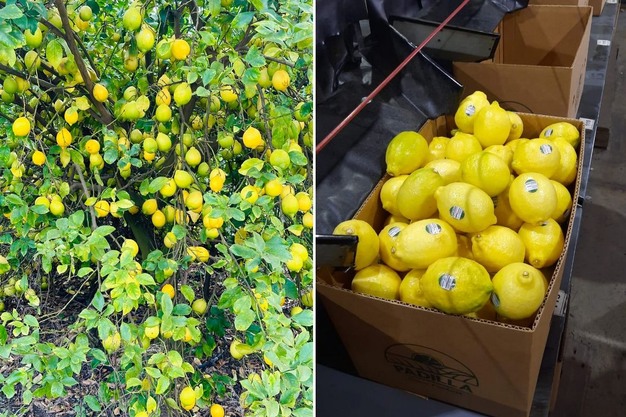 © Salix Fruits
Yet, global uncertainties remain. South Africa has more than 500.000 boxes of lemons en route to Middle Eastern ports, a region currently facing geopolitical tensions. Normally, South Africa ships around 150,000 tons annually to the Middle East, representing 35/40 percent of its exports. Depending on market disruptions, part of this fruit could be redirected to destinations such as the UK or Canada, though Russia's demand profile may not align with South African calibers.
"This is a factor we cannot ignore," González Pita noted. "If South African fruit is redirected, it could add pressure to certain markets. Our role is to anticipate these shifts and ensure our customers have clarity and reliable supply options."
The company continues to track these developments closely, working with growers and buyers to ensure a reliable supply and transparent communication throughout the season.
 For more information
Salix Fruits
[email protected]
www.salixfruits.com