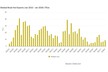
Vietnam exported just under 800,000 metric tons of cashew kernels in 2025, with China as the largest buyer at 156,000 metric tons, followed by the United States with 111,000 metric tons.
The Middle East accounted for 11 per cent of exports, totalling 89,000 metric tons. Key destinations included the UAE with 47,000 metric tons, Saudi Arabia with 12,000 metric tons, Iraq with 9,000 metric tons, Israel with 6,300 metric tons, Jordan with 6,000 metric tons, Lebanon with 3,800 metric tons, Iran with 1,200 metric tons, and Qatar with 233 metric tons.
Trade flows to the Middle East have been disrupted following the Iran war. Shipping lines have suspended services to Persian Gulf ports, including Jebel Ali in the UAE, due to the closure of the Strait of Hormuz.
To maintain supply, carriers are redirecting cargo through alternative routes. These include Omani ports such as Salalah, Red Sea ports including Jeddah, and Mediterranean ports such as Mersin in Turkey, with onward transport by road and rail to Gulf markets.
"Some Middle East demand is returning," a trader said in late March. "Some cargo is being redirected to Jeddah, and buyers are using alternative road or rail transport to reach eastern Saudi Arabia and other Gulf states." However, trade conditions remain constrained. "Every vessel to Dubai has been stopped. Some larger customers are finding other ways to get cargo delivered, but regional traders usually aren't interested—it's too much hassle," another trader noted.
Cargo delays at transshipment hubs have affected delivery schedules, while some sellers are unable to receive payments for shipments that have not reached destination markets.
Reduced demand from the Middle East is creating downward pressure on prices. Market sentiment is also influenced by rising energy costs, with concerns that higher inflation may affect the consumption of products such as nuts and dried fruits.
At the same time, cashew kernel prices in Vietnam for key whole grades have firmed. Market support is linked to higher freight costs for raw cashew nut shipments from Africa and lower-than-expected yields from early harvests in West African origins, including Ghana and the Ivory Coast.
Source: Mintec/Expana