Malaysia is reviewing vegetable import dynamics as industry representatives call for the reintroduction of Approved Permits to address market imbalances and support domestic production.
Federation of Vegetable Farmers Associations president Lim Ser Kwee said continued inflows of imported vegetables, including products not required by the market, have contributed to lower prices for local produce. "While some vegetables do not need to be imported, imports are still coming in. This has caused prices of local produce to decline."
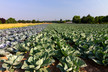
He cited cabbage as an example, where imports account for 80 per cent to 90 per cent of supply. "This discourages our farmers from expanding production, as continuous planting without stable prices is not sustainable," Lim added. The absence of import permit controls could further disrupt the domestic sector.
Tomato growers have also faced low prices over an extended period. "From 2024 to 2025, prices remained weak. Many farmers stopped planting, and only recently have prices recovered slightly to around RM5 to RM6 per kg (US$1.10 to US$1.30 per kg)." He noted the need for government support measures, including subsidies, to assist growers.
Deputy Agriculture and Food Security Minister Chan Foong Hin stated that imports remain regulated through phytosanitary and food safety requirements enforced by relevant authorities. He said any decision to reintroduce Approved Permits would be based on data and consultation with industry stakeholders, with a focus on balancing farmer support and consumer price stability.
Agricultural economist Nasir Shamsudin indicated that a strict permit system may not be optimal. He suggested alternatives such as seasonal import controls or data-based quotas to stabilise supply while maintaining food availability.
Source: The Star