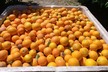
Citrus growers in South Texas, U.S., are progressing through the current harvest season, with improved yields reported despite ongoing drought conditions and water constraints.
In the Rio Grande Valley, growers indicate that harvest is already well advanced. "It's a good time to have grapefruit and oranges, and we're doing okay. Our yields are up," said grower Fred Karle.
Harvest activity is nearing completion across several categories. "We're probably halfway to two-thirds through the grapefruit. We finished our early oranges and navels. We've probably finished the Valencias, I think they're all gone, and we've got about a fourth of the grapefruit crop left," he said. "We should wrap it up here in March or maybe the first week in April."
The sector continues to recover from the 2021 freeze, although some growers have exited production and sold orchards for alternative land use.
Water availability remains a constraint. Ongoing drought conditions and reduced irrigation supply linked to water delivery disputes with Mexico are affecting parts of the region. "We're in a real drought. We've got to keep praying," Karle said. "Embarrassing to say, but we need a hurricane. Where we can irrigate, we're doing well. Unfortunately, some water districts don't have the water."
Citrus production in the region relies on irrigation, with limited supply affecting production in some districts. Growers without sufficient water access face ongoing constraints if conditions persist.
In a broader context, citrus production in Florida has declined over time. Since 2005, around 90 per cent of citrus output has been lost due to citrus greening, affecting 80 per cent of fruit-bearing trees.
Source: RFDTV