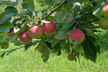
A collection of wild apple genetics in Ohio, developed from seed material collected in Central Asia, faces relocation following a decision to end its use at the current site.
In 2004 and 2005, Diane Miller collected seeds from wild apple trees in Kazakhstan and Kyrgyzstan to introduce genetic diversity into U.S. breeding programmes. The material was planted in 2007 at Dawes Arboretum in Ohio, forming part of a broader collection of around 6,000 trees across 15 acres.
The collection includes approximately 800 trees originating from Kyrgyzstan, alongside controlled crosses of domestic varieties and material from previous U.S. Department of Agriculture collection trips. The trees have been evaluated for traits including disease resistance and adaptation.
The U.S. apple sector is concentrated on a limited number of varieties, with 15 apples accounting for about 90 per cent of the market. This has raised concerns about reduced genetic diversity and increased vulnerability to pests and diseases such as codling moth, apple scab, and fireblight.
"The future of the apple industry needs more disease resistance built in," said Eliza Greenman, a germplasm specialist at the Savanna Institute, "or else breeding will be replaced by creating chemicals."
Wild apple trees in Central Asia have developed under natural conditions with lower pest and disease pressure. Breeding programmes aim to combine these traits with characteristics required by the market.
The collection at Dawes has been used to select and propagate material through grafting, with scionwood used to develop new breeding lines. The trees have also been assessed for traits such as vigour and phenolic content.
In December 2025, Dawes Arboretum requested that the trees be removed, citing changes in research priorities and land management. The deadline has since been extended to March 2027.
"The federal government cannot hold critical funding hostage to force states to comply with vague, ideological directives," New York Attorney General Letitia James said.
More than 100 researchers, breeders, and growers have requested additional time to preserve and study the collection. Concerns have been raised that relocation could disrupt long-term evaluation, as mature trees provide data that cannot be replicated quickly.
Efforts are underway to collect scionwood and propagate material from selected trees. However, not all genetic material can be preserved, and grafted trees may not fully replicate the performance of original seedlings.
"It takes time to sort and sift all that out," Miller said. "They don't just jump out and say, 'I've got multi-gene disease resistance. Take me.'"
Growers and researchers are exploring options to establish new sites for the material, although no replacement location has been confirmed.
Source: Civil Eats