The Uruguayan citrus sector closed a season with positive results both in terms of prices and shipments. According to Marta Bentancur, of Upefruy, "it has been a good campaign in terms of prices, with a good supply both in the United States and Europe."
 © Upefruy
For the coming season, prospects point to an increase in the exportable volume. "We expect it to increase by 10 to 15% or more," says Bentancur. This is mainly due to the entry into production of new plantations, especially of mandarins and, to a lesser extent, of oranges. However, she says that the current high temperatures are causing uncertainty about the impact of climatic factors on the final estimate for 2026.
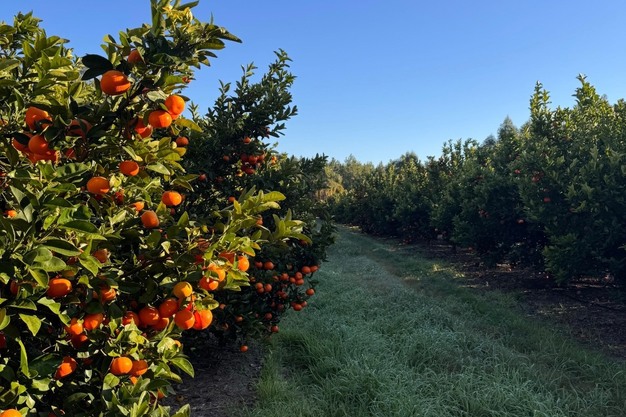
One of the key factors for the sector is the trade deal between Mercosur and the European Union. Bentancur says that, once ratified, it will bring significant changes to the tariff scheme. In the case of citrus, a ten-year tariff reduction period has been planned. "Mandarins will start at 16% and oranges and lemons at 8 and 6%," she says. Moreover, the tariff seasonality that currently limits exports from October 15 onwards will be eliminated. "After the entry into force of the trade deal, we'll have zero seasonality," she says.
 © Upefruy
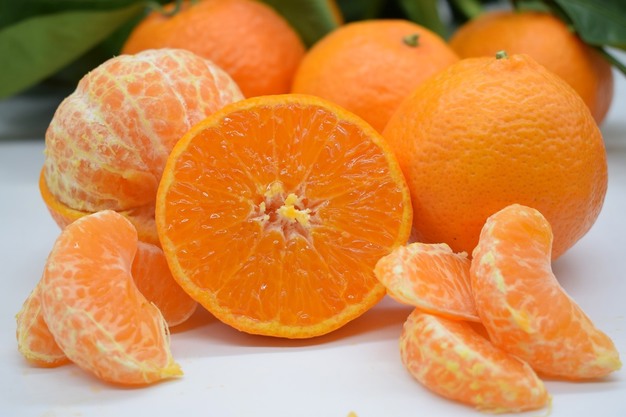
This change could allow Uruguay to recover its position in the European easy-peelers market, where it has been at a position of disadvantage against countries such as South Africa, Peru, and Chile, which already have zero tariffs. "We are confident that this new stage will give Uruguay a fresh start in the European easy peeler market," she says.
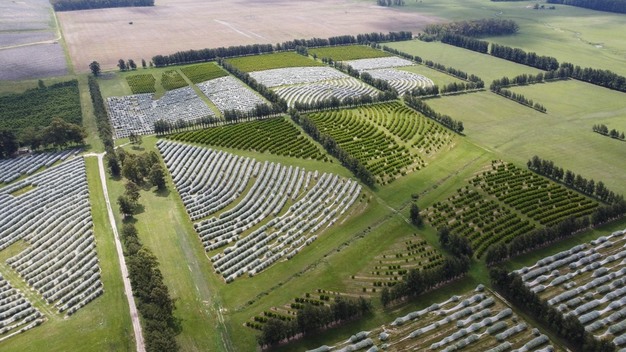
At the same time, the sector remains focused on regulatory compliance, especially as regards residues and good agricultural practices. "We are working hard to strictly comply with European Union regulations," says Bentancur. During the last season, Uruguay recorded only four sanitary interceptions at destination. The sector aims to reduce that to zero.
 © Upefruy
In the United States, prices have been satisfactory. "We have been satisfied with the price levels, with the quality we have, and with the introduction of new varieties," says Bentancur. Among these, there are some remarkable seedless varieties with good color and flavor, as well as local developments. It's all part of a strategy aimed at differentiation through quality and food safety.
Upefruy, which brings together eight citrus companies and accounts for more than 85% of the sector's exports, also continues to work on sustainability. In addition to carbon and water footprint measurement tools, the organization maintains an active relationship with the labor sector. "We are always making a huge effort to promote sustainability in the sector," says Bentancur.
For more information:
Marta Bentancur
Upefruy
Uruguay
Tel.: +598 99 649 334
[email protected]
www.uruguayfruits.com.uy