Georgia growers and shippers are breathing easy again following last week's freeze in parts of the state. "We had freezes in the Atlanta area but it didn't quite get too far down into South Georgia to really hurt anything–but especially not the peaches," says Andrew Scott, VP of sales and business development for the Nickey Gregory Company. "That would have been significant because we only have peaches and blueberries in the spring. Temperatures got down to the mid-30s last week in South Georgia and bounced right back to seasonal averages."
As for vegetable crops, those also remained relatively untouched and are still set to begin harvest in south Georgia around the mid to end of April. This includes crops such as cabbage, cucumbers, eggplant, bell peppers, summer squashes, corn and more.
 © Georgia Grown
However, there are effects that are still being felt following neighboring Florida's freezes at the end of December, in mid-January and then again at the end of January, plus high winds. "That has affected a lot of vegetable crops and what might happen now is after the freezes, growers in Florida replanted. So that product will come on and overlap with Georgia. There might be some weaker markets coming toward mid April with products from multiple growing areas," says Scott.
Right now, the pricing on many of those items are very high – from $40 to $50+ delivered on multiple items. "Those prices will slow demand down because people will get to the point where they just won't buy. Tomatoes got really high, plateaued and fell off a bit because the demand wasn't there. People weren't going to pay those prices," says Scott.
The state of Vidalia onions
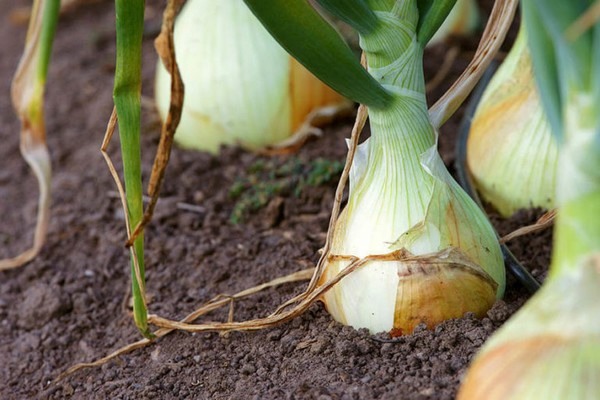
Meanwhile, one vegetable crop that is starting soon in Georgia is a key one for both the state and for Nickey Gregory Co. "Vidalia onions are starting a little early this year on April 13th," says Scott. "They usually start between April 15-22, but they survived the freezes. Growers use transplants and they generally start planting in December and January so they aren't hurt too badly."
 © Nickey Gregory Co. Inc.
That's on vegetable crops. However there's one item that's of concern in fruit crops and that is blueberries. Following the multiple Florida freezes, growers could see a loss of blueberries pushing up to 80 percent loss to a total loss of the crop. "We really rely on blueberries from Florida once imports wind down," says Scott, noting that Nickey Gregory Co. is still getting blueberries from Chile and some light volume from Mexico. "We could have a gap in blueberries until Georgia gets going and we might also start later because of the freezes."
With Georgia blueberries starting likely at the end of April, that means a gap in supply could be seen next month until Georgia gets going with production. Last year, Nickey Gregory Co. got its first delivery of blueberries from Florida on April 9th and its first shot of Georgia blueberries on April 22. That was followed by product from North Carolina on June 26 last year and then New Jersey on July 3. "I think it's just going to be really tight here until Georgia gets going on its blueberries," says Scott.
 For more information:
Andrew Scott
Nickey Gregory Company
Tel: +1 (404) 366-7410
[email protected]
https://nickeygregory.com/