"Conditions were favorable in our neighboring countries, too, so there are minimal export opportunities," says Matthijs Sels of the Dutch Carrot Group. This company supplies carrot products. Good growing conditions mean higher-than-expected yields in the Netherlands and neighboring countries, leading to an oversaturated market.
 © Dutch Carrot Group
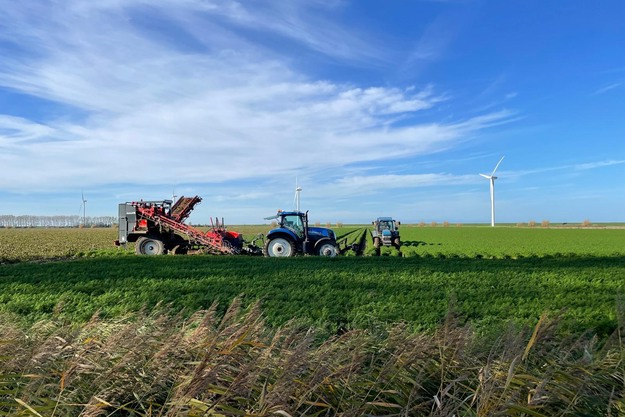
"We underestimate how high the yields would be. As a result, storage facilities are full, with remaining batches being stored outside. Those must be sold as quickly as possible. But because demand is limited, the market is under pressure."
Demand improved slightly in late January, but according to Matthijs, prices are still below cost. "The market's not covering those, so growers are holding on to their good batches, hoping for a market recovery," he says.
Storage risks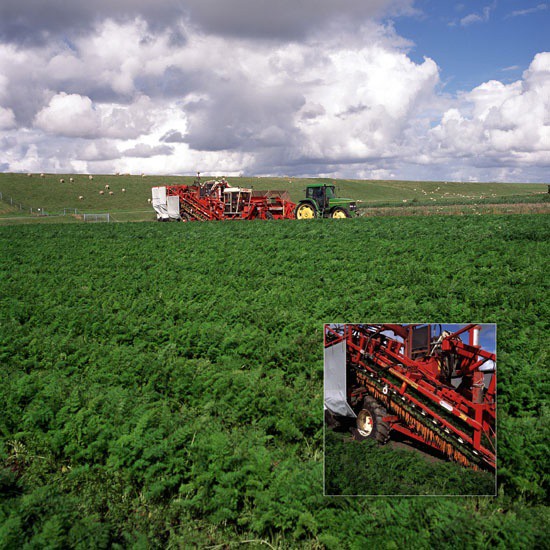 © Dutch Carrot Group
Growers storing their product for longer lead to increased risks. Not all batches stay good during long-term storage. "Extended storage is always tricky. Later in the storage season, there are always subpar batches." The wet, warm harvesting season affects that, too, and can impact the quality of the carrots.
According to Matthijs, batches with a lower yield per crate can put further pressure on prices. "It's hard to say how quality will develop later in the season. There's nothing as changeable as the carrot market," he explains. Matthijs also sees climate change increasingly influencing crops. "The climate is changing, which has practical consequences for cultivation and can cause quality challenges."
Organic and conventional coexist
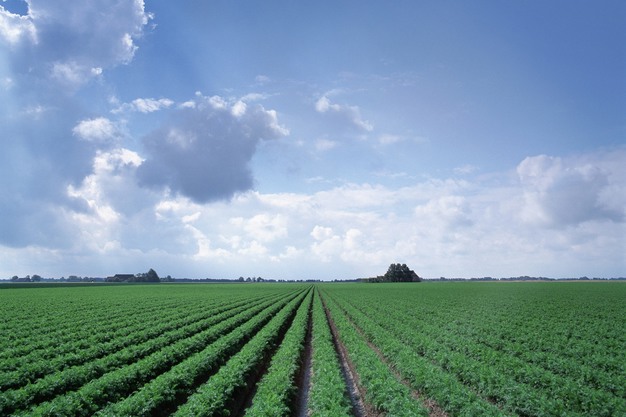
The Dutch Carrot Group sells conventional and organic carrots. Sels says sustainability is gaining attention in both segments. "Growers are increasingly focusing on restoring and maintaining good soil health to combat depletion caused by intensive cultivation," he points out.
Matthijs calls the organic market stable. To ensure a year-round supply, products from countries such as Spain supplement Dutch organic carrots. Demand for conventional carrots remains high, too. "The two coexist nicely."
 © Dutch Carrot Group
Proper guidance throughout season
These low prices mostly affect growers selling on the open market. According to Matthijs, many prefer contract farming. "A contract evens out price fluctuations. In a season without price spikes, that provides certainty," he knows. The Dutch Carrot Group works with contracts and free trade and maintains close relationships with growers.
"We try to guide them through the season as best we can." This year's large crop means there is plenty of surplus, which the company is trying to sell. "Everyone should eventually be able to reflect on the season with satisfaction. In good times and bad, you must stand together," Matthijs concludes. (MW)
For more information:
Dutch Carrot Group
Agriport 201
1775 TA Middenmeer
Tel: +31 (0)72 720 22 74
[email protected]
www.dutchcarrotgroup.com