"Consumers will soon be as powerless at the vegetable shelf as they currently are at the gas station," says Günther Warchola from the Bavarian Fruit Import and Wholesale Association.
German consumers are currently experiencing what it means when a few oil companies divide up the market. They are powerless in the face of price hikes because there is hardly any competition left, with up to 70 per cent of fuel sales accounted for by just five companies, depending on the study and measurement.
The market for food, fresh vegetables, and fruit is facing a similar threat: "Mergers in recent years have led to around 85 per cent of the food retail trade being controlled by four large corporate groups: Edeka, Rewe, Schwarz (Lidl), and Aldi. This was stated by the Monopoly Commission in a special report in November 2025."
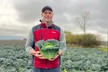
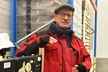
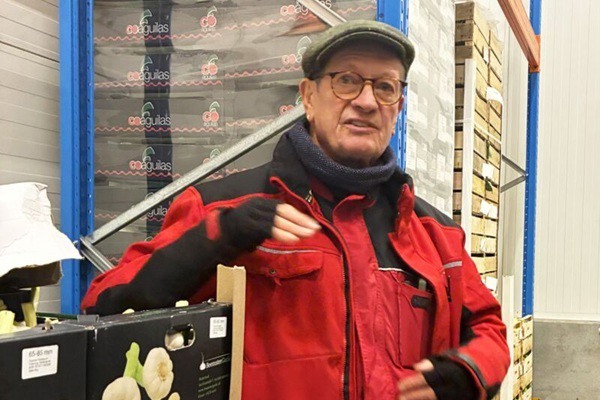 © ©COMEO Günther Warchola, President, Bavarian Fruit Import and Wholesale Association ©COMEO
"It will be crucial to strengthen the remaining 15 per cent of free, independent trade. That includes all the weekly markets in the city districts, the fruit stands at subway exits, the Viktualienmärkte markets throughout Bavaria, the small greengrocers around the corner, and the local producers," says Warchola. "Most of the crops produced in Bavaria are marketed and distributed via the Munich wholesale market. Even direct marketers benefit from the large trading center because it rounds off and completes their range of products."
"After 15 years of uncertainty, the city of Munich and the state of Bavaria are now urgently called upon to work with retailers to seek and examine options," demands Warchola. "No matter where, in Munich or on the outskirts of the city, the fair and secure supply of fresh produce to the population is the central anchor point."
Background
Small and medium-sized wholesalers, represented by the Bavarian Fruit Import and Wholesale Association (Verband des Bayerischen Fruchtimport – und Großhandels e. V.), ensure that independent and unaffiliated food retailers still exist. They also supply hospitals, nursing homes, schools, daycare centers, and restaurants with fresh fruit and vegetables.
The Munich wholesale market is thus the heart of Munich's independent food supply, ensuring that freshness, variety, and quality remain available and affordable in the metropolis and far beyond. Without this central hub, there would be even less competition and, in the long term, rising prices for consumers.
The Monopolies Commission's study can be found here.
For more information:
www.fruchtverband.de