The closure of the Strait of Hormuz following the war in Iran has affected vessel movements and raised concerns for global logistics. Few vessels have passed through the strait since the conflict began about a week and a half ago. The closure is affecting oil tanker traffic and pushing oil prices higher.
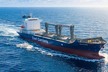
The US International Development Finance Corporation announced a plan to ensure vessel transits despite security risks. However, many carriers are expected to avoid the route without naval protection. Available protection resources are more likely to prioritize oil tankers than container vessels.
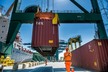
For container shipping, disruptions are currently limited to cargo already moving toward Gulf ports. Ports in countries including India and Bangladesh are reporting backlogs as containers destined for Gulf markets remain delayed. Transhipment hubs in the Far East are also experiencing higher yard utilization as some containers are diverted.
Carriers are implementing contingency plans by routing cargo to alternative ports in the region, with final delivery continuing by road. Additional surcharges are being applied to containers already in transit on Gulf routes.
The broader container market has not yet recorded disruptions linked directly to the closure of the Strait of Hormuz. Some congestion at Far East hubs may create delays, although volumes are lower than during the Red Sea disruptions, and carriers have suspended new bookings to Gulf destinations.
Fuel costs are beginning to influence shipping prices. Higher oil prices have led carriers, including CMA CGM and Hapag-Lloyd, to announce emergency fuel surcharges of US$70 to US$75 per TEU for regional services and US$150 per TEU for long-haul services starting March 23.
Freightos Baltic Index data show that transpacific container rates increased about US$200 to US$2,022 per FEU last week. Daily rates to the US East Coast have climbed to about US$3,000 per FEU. Asia to Europe rates increased about 6 per cent to US$2,600 per FEU and to about US$3,700 per FEU to the Mediterranean.
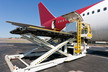
Air cargo routes have been affected by airspace closures in the Gulf. Qatar Airways Cargo, Emirates Skycargo, and Etihad together represent about 13 per cent of global cargo capacity.
Freightos Air Index data show air cargo rates have increased about 50 per cent from South Asia to North America and Europe, reaching about US$6.00 per kilogram and US$4.00 per kilogram, respectively. South East Asia to Europe rates have increased about 20 per cent to more than US$4.00 per kilogram. China to US rates have climbed about 20 per cent to more than US$7.00 per kilogram.
Some Gulf airports closed temporarily at the start of the conflict but have partially reopened. The UAE has opened air corridors allowing 48 flights per hour to depart. Emirates Airways reports operating a reduced schedule with more than 50 per cent of flights operating, while Etihad has resumed some flights.
Source: Container News