Uzbekistan's fresh herbs are gaining favour in the EU market, says Rolands Romanovskis of Trade House Uzbekistan, a fresh produce exporter. "The strongest and most consistent demand for Uzbek fresh herbs is currently observed in the Baltic States, Poland, the Czech Republic, Slovakia, and parts of Germany."
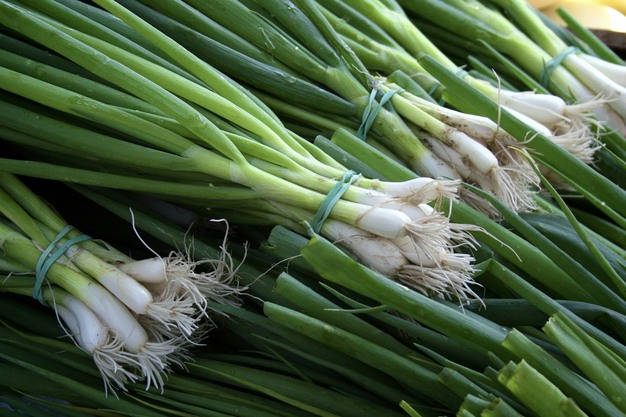
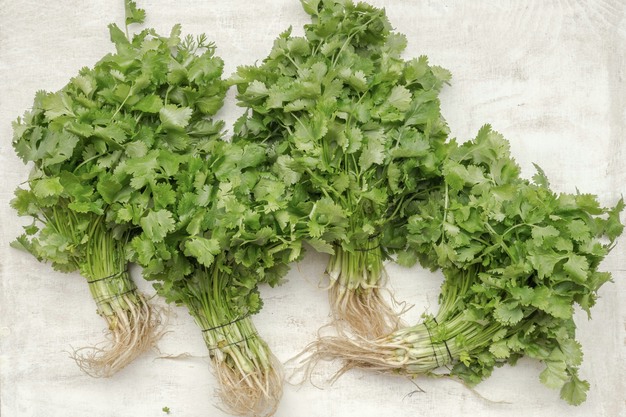
Based in Latvia, Trade House Uzbekistan connects EU buyers directly to a vetted network of farmers across Uzbek regions, while sharing cultivation and pre-cooling protocols, verified seeds, harvest timing for predictable volumes and quality. Rolands shares, "Growers in our network specialize in logistics-friendly dill, parsley, and green onions, while piloting cilantro, basil, and spinach based on importer feedback. All our partner farms operate under agreed agronomic protocols."
 © Trade House Uzbekistan
Demand stems from competitive pricing, reliable off-season availability, and standout aroma, color, and freshness, Rolands explains. "Uzbek dill, flat-leaf parsley, and green onions rival Turkish and Egyptian supplies in pronounced flavor and deep green color from ample sunlight, with comparable shelf life under solid cold chain management. They are often more stable than Egyptian herbs and a strong alternative to pricier Polish herbs when local production dips."
Prices land competitively in the EU, aligning with Turkey's stability but up moderately from last year due to logistics, packaging, and energy costs. "Prices are still attractive for autumn-winter needs," Rolands highlights. "Dozens of hectares across open-field and protected systems deliver multiple harvest cycles yearly, backed by Global G.A.P. certifications, residue tests, and full phytosanitary documents to meet EU standards."
 © Trade House Uzbekistan
Challenges like residue limits and cold chain demands are met with strict farm-level agrochemical controls, mandatory pre-cooling, experienced logistics partners, and precise planning for reliable transit, Rolands mentions. "Beyond herbs, Uzbekistan offers early vegetables, stone fruits, and niche flavors to fill EU gaps at better price-quality ratios, with volumes growing for retail scale."
Rolands sums up, "EU importers have the opportunity of hassle-free access to steady, high-quality Uzbek herbs tailored to their market needs. We view cooperation as essential to building long-term partnerships, strengthened by transparency, predictability, and shared planning."
For more information:
Rolands Romanovskis
Trade House Uzbekistan
Tel: +371 29506908
Email: [email protected]
www.tradehouseuz.eu