European Union (EU), United Kingdom (UK), and Kenyan horticulture buyers are exploring long-term trade partnerships with growers in Zimbabwe following a farm tour organised through the International Trade Centre (ITC).
The delegation consisted of eight buyers who spent a week visiting 11 farms and food businesses preparing products for export under the UK Trade Partnership Program (UKTPP). The program is funded by the UK government and implemented by the ITC.
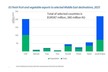
Zimbabwe's horticultural export earnings increased to US$181.7 million last year from US$59.8 million in 2024, largely driven by higher blueberry exports to EU markets, which remain the country's main destination.
Since 2019, the UKTPP program has supported Zimbabwe's small and medium-sized enterprises in the horticulture sector in becoming export-ready and accessing markets in the UK and EU.
During a visit to a farm in Mvurwi, Jarmila Sarda, program manager of the UKTPP Sector and Enterprise Competitiveness Division of Enterprise and Institutions, said Zimbabwean growers had demonstrated export readiness.
"We have been working with the farmers and producers all across Zimbabwe, and we have seen that the facilities are excellent.
"They are fully ready to access the markets; they have the certifications they need, they have the products which are in demand in the European Union and the UK," she said.
"What they are sometimes missing are those lasting linkages, and that's why we are here to help them to find these markets."
Sarda added that financing remains a constraint for growers and that certification costs remain a barrier for some exporters.
Africrops! GmbH managing director and co-founder Heinrich Heinrichs said the company is evaluating supply opportunities for organic products from African origin.
"We are looking into niche products from African origin, for example, moringa oleifera and baobab, and we focus on organic production because we believe that organic products will be higher in demand in the future for international markets," he said.
California Estate managing director Shaun Philp said his company exports produce mainly to the EU and Asian markets and produces crops including blueberries, peppers, and peas.
"We grow peas across 70 hectares at California and Forrester Estates, targeting yields of about 12 tons annually," Philp said.
"For peppers, we process them in brine before sending them to Harare, where they are canned for export to Germany and distributed across Europe."
Philp said financing remains a constraint for growers.
"The major challenge is cash-flow financing. It is difficult to borrow because we do not hold title deeds to the land."
The Horticulture Development Council (HDC) said the continued 30% export proceeds surrender policy is affecting the sector.
"These measures reduce working capital, limit reinvestment, and weaken competitiveness for horticulture exporters operating in highly competitive global fresh produce markets."
Source: NewsDay