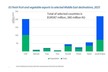
New Zealand fresh produce exporters are reviewing options for shipments originally destined for Persian Gulf markets after shipping lines halted sailings into the region. Containers bound for the Gulf are being unloaded in Singapore while exporters consult with customers and shipping companies and assess possible developments in the conflict.
Emma Parsons, chief executive of Kotahi, said shipping lines have stopped sailing into the Persian Gulf and the company is developing contingency plans and alternative routes for cargo destined for the Middle East or scheduled to transit through the region.
"We currently have 4000 TEU [20-foot equivalent unit containers] of cargo in transit on this trade lane," Parsons said.
Ships normally pass through the Strait of Hormuz to access Bahrain, Kuwait, Qatar, Saudi Arabia, and the United Arab Emirates.
The disruption affects fruit exports as well. The Gulf States account for about 10 per cent of apple exporter Mr Apple's total sales. The company also holds the licence for Zespri's kiwifruit sales to the region, which had been scheduled to increase in the coming weeks.
Head of sales and marketing Ben McLeod said the company had considered unloading containers in Oman and transporting them overland to reach customers in Gulf markets. However, this option was ruled out after Iranian drones targeted Oman's ports.
McLeod said exporters are now considering redirecting containers to customers in Asia or returning them to New Zealand.
"Any diversion is going to be costly because you are selling to another market that does not want this fruit or those sizes," he said.
The Strait of Hormuz remains a key shipping route linking the Gulf region with global markets. Disruptions to shipping in the area have led exporters to review logistics plans and identify alternative markets or routes where possible.
Source: Farmers Weekly