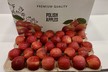
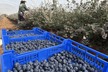
For a 13-week window, locally grown peaches, nectarines, apricots, plums, and cherries are supplied to the New Zealand market. The supply chain connects orchard production with retail distribution through established partnerships.
In Central Otago, Webb's Orchard has produced summerfruit for more than a century. Its relationship with MG Group, the grower co-operative coordinating distribution to Foodstuffs stores, dates back to the 1930s. Foodstuffs North Island and Foodstuffs South Island support more than 500 locally owned PAK'nSAVE, New World, and Four Square stores nationwide.
Fourth-generation grower Simon Webb says long-term relationships and communication support the delivery of fruit to market each season.
This season presented challenges. Cooler conditions delayed harvest by approximately one and a half weeks, and yields are lighter.
"The summerfruit we're getting to the consumer is good quality, but as a grower, it's been a tougher season," Webb says. "We're a little bit later in our harvest because of the cold, but the eating quality is still up there."
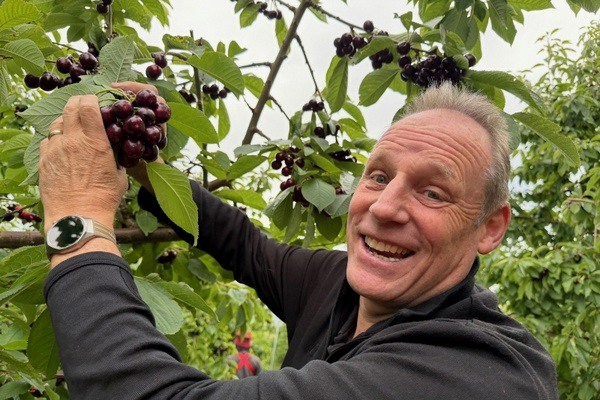 © Foodstuffs
He regularly samples fruit in the orchard, sometimes up to 20 pieces a day. Referring to a recent honey nectarine block, he said, "It was beautiful."
Jerry Prendergast of MG reported similar observations on fruit quality. A recent Central Otago honey peach, he said, was "just beautiful eating". He noted that early heat followed by cooler temperatures supported even fruit maturity. "We're seeing really high quality, not a massive yield, but for eating, it's superb."
Cherries also delivered consistent colour and flavour, although production remains variable. As 3rd generation co-owner of Panmure Orchards, Jeremy Hiscock said cherry production can be unpredictable.
Summerfruit requires short harvest and distribution timelines. Once ripe, only a limited window exists to pick, pack, and distribute fruit. This season's delayed start was followed by cancelled Cook Strait ferry sailings, requiring adjustments to maintain movement. B-trains and short-term storage were used to support logistics and maintain product condition.
Growers, MG, and Foodstuffs teams maintain regular contact during the season, coordinating harvest timing, logistics, and store demand. Discussions include daily operational updates as well as longer-term planning around plantings, consumer preferences, and infrastructure.
From orchard production in Central Otago to retail distribution nationwide, the supply chain operates within a limited seasonal window supported by established working relationships.
For more information:
Foodstuffs
Email: [email protected]
www.foodstuffs-si.co.nz