Queensland's pineapple industry has had a turbulent start to the year, but resilience and careful management are keeping fruit on Australian shelves.
According to Queensland Fruit & Vegetable Growers (QFVG) CEO Scott Kompo-Harms, the recent surge in supply is largely an outcome of wild weather. "It's broadly fair to say that extreme weather contributed to a compressed harvest window," he explains. "Cyclone activity and prolonged rainfall disrupted normal crop development and limited field access. As paddocks dried and fruit reached maturity around the same time, growers harvested to maintain quality and avoid losses."
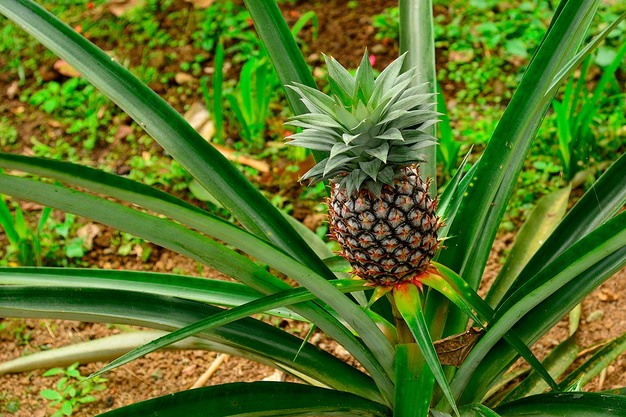 © Bjulien03 | Dreamstime
However, although this did mean that there were a lot of pineapples available, this wasn't a coordinated decision to "flood" the market. Kompo-Harms says, "It was the result of weather-driven timing pressures in a biological production system."
The weather also influenced fruit quality, with some pineapples being smaller or less juicy than ideal. "Extended wet conditions and reduced sunlight can influence sugar development and sizing in some blocks," Kompo-Harms says. "Where fruit doesn't meet fresh retail specifications — often due to size — it is diverted to processing. That helps reduce waste and is a normal part of responsible production." Overall, he stresses that Australian pineapples remain high quality.
Normally, pineapple production is staggered to smooth supply throughout the year. Heavy rain disrupted that pattern, leading to a boom-and-bust cycle similar to 2023. "When that happens, a period of oversupply can be followed by smaller volumes," Kompo-Harms notes. "The broader issue is volatility — it creates uncertainty across the supply chain."
Options to mitigate shortages in the short term are limited. "Pineapples are a long-cycle crop — production can't be rapidly increased to fill a gap," he says. Growers are managing crops carefully, prioritising fresh-market fruit, and working closely with retailers on forward planning.
All Australian pineapples are grown in Queensland. Imports are not a major factor due to biosecurity, freight costs, and freshness considerations. "Some regional variation within Queensland may help offset impacts to a degree," Kompo-Harms adds, noting that any tightening of supply is likely to be felt over months rather than resulting in a complete absence of fruit.
Price fluctuations can ease some pressure, but don't automatically offset earlier losses. "Short-term price increases rarely fully compensate for extended periods of low returns, particularly when growers are facing elevated labour, freight and input costs," he says. Sustainable returns allow growers to reinvest in their businesses and maintain a consistent supply.
Retailers are supportive of the industry, adjusting programs during periods of oversupply or shortage. "During periods of oversupply, retailers often support the category through promotional activity to help move volume. When supply tightens, programs typically adjust accordingly," Kompo-Harms says.
The occasional variability in fruit size and sweetness doesn't affect consumers' view of pineapples in Kompo-Harms' view. "Short-term variability can influence shopper perception, but occasional variation is less of a concern than sustained inconsistency," he says.
"The positive story is resilience and adaptability across Queensland horticulture," Kompo-Harms says. "Growers have managed compressed harvest windows, redirected produce to minimise waste, and worked closely with supply chain partners. This isn't a story of failure — it's a story of farming in a changing climate, ensuring Australians can enjoy fresh, local produce now and into the future."
For more information:
Scott Kompo-Harms
Queensland Fruit & Vegetable Growers
Tel: +61 7 3620 3844
[email protected]
www.qfvg.com.au