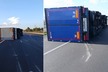
In a fragmented supply model, 150 supermarkets operate as individual delivery points, with farmers, wholesalers, and traders supplying each store directly. According to EastFruit, a 150-store chain can generate between 3,000 and 7,500 daily drops. These deliveries are often made in small vehicles, frequently running below full capacity and contributing to congestion and elevated transport emissions.
Operational inefficiencies at the store level also affect shelf availability. When suppliers are delayed or multiple vendors arrive simultaneously, fresh produce replenishment can be disrupted. This increases the risk of out-of-stocks, including for high-turnover items such as lettuce, and may influence store choice and repeat visits.
 © EastFruit
The alternative is a centralized "hub and spoke" model built around a distribution centre. Estimates by the team working on the horticultural component of the joint FAO and EBRD Agri-food Climate and Environmental Sustainability Initiative indicate that consolidating supply through a 10,000 m² facility restructures transport flows. Instead of thousands of trips, the network shifts to approximately 150 consolidated deliveries per day, typically one truck per store. Although actual figures may vary, the number of trips remains substantially lower than under decentralized supply structures. Vehicle loading rates also improve, reducing emissions per kilogram of product.
Transport data show that replacing small rigid trucks, which emit about 0.445 kg CO₂ per km, with fully loaded heavy-duty trucks emitting around 0.0565 kg CO₂ per ton-km can cut transport-related emissions by 75% to 95%. For a single retail chain, this equates to potential annual avoidance of up to 120,000 tons of CO₂.
Operational processes at the store level are also streamlined. Where staff previously spent up to 25 hours per day collectively handling multiple vendor deliveries, centralized models allow for one palletized delivery, typically processed within 30 minutes.
Retail performance indicators also shift. Stronger fresh produce departments are linked to increased customer traffic and higher average basket values, as indicated in studies such as "Surprises in Stores" and retail audit findings from the EastFruit project. Improved coordination reduces waste in fruit and vegetable categories and lowers write-offs.
Under centralized logistics, retailers may offer improved payment conditions and reduce counterparty risk exposure. Suppliers benefit from consolidated purchasing structures, while urban authorities gain from lower traffic density and reduced emissions.
Source: EastFruit