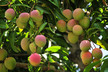
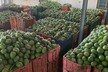
The rains in northern Peru are affecting the current mango season, raising concerns among farmers and prompting changes to export plans. A Peruvian exporter notes reduced volume, fruit affected by spots, and an international market beginning to respond to the shortage.
There's no doubt the rains have impacted production," summarises the businessman, referring to the rainfall in areas such as Motupe and Piura. The rains haven't completely halted the harvest or exports, but they have affected quality. "The volume has definitely decreased because the fruit is stained."
In Motupe, rainfall has persisted throughout most of February, leading to increased phytosanitary issues, such as anthracnose. "Motupe has been quite affected by this because it has been raining for a long time," he said. The sustained humidity not only reduces the exportable volume but also creates uncertainty about how the season will unfold in the coming weeks.
Regarding logistics, although there have been some occasional cancellations of transport to the north, the Pan-American Highway remains operational, and exports to the United States continue. The exporter confirms that they are still sending fruit and will soon start shipments from other growing areas, pending the completion of administrative procedures.
On the commercial side, reduced supply is pushing prices higher at the destination. "The market in theory is improving, both in the United States and Europe," he states. However, he cautions that the decrease in volumes is causing some packing houses to close earlier than expected, as their production levels no longer justify keeping them open.
Locally, the season has been marked by high expectations that have gone unmet. "Producers created great expectations of high prices, and that impacted us all negatively. There has been a lot of speculation," he said. According to him, initial high prices were advertised but did not last in the market, leading to sudden adjustments in the field.
Furthermore, he recalls that Peru doesn't compete alone. "The Peruvian mango might be the best in the world, but we're not the only ones producing mangoes," he stated, referencing shipments from Brazil to Europe.
After several years of low prices, the exporter also warns about a lasting impact on the fruit's quality. "There have been two or three years of poor prices for producers, so naturally, the mangoes are not as robust because they haven't been properly cultivated."