 © TFC Holland BV
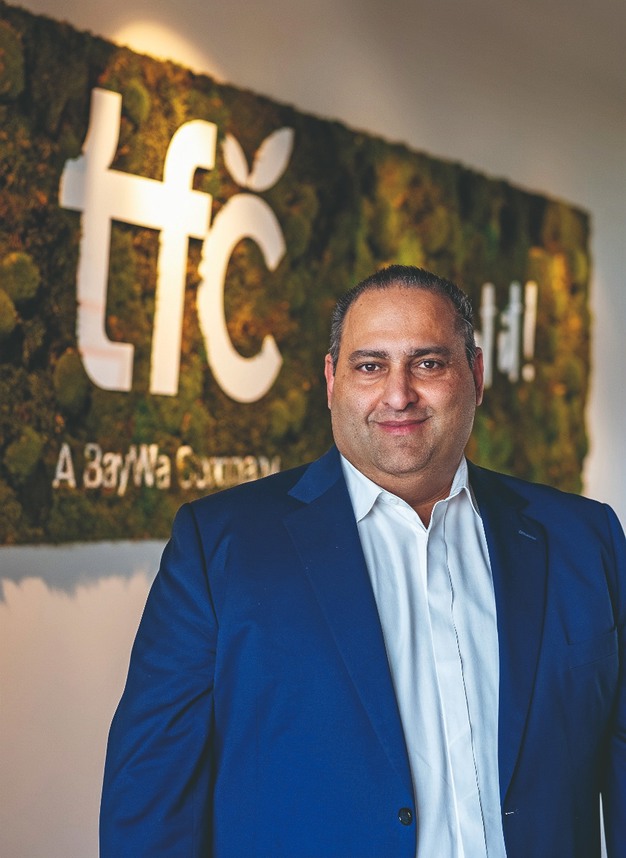
Ali-Reza Mayer, CEO of TFC Holland, oversees a global supply network for exotic fruits from origins such as Peru, South Africa, Vietnam, Brazil, and the Dominican Republic to European retailers. From the company's ripening facilities in Waddinxveen, he observes a market that is "stable from my point of view." After the pandemic, growth has resumed, albeit slightly, while logistical disruptions persist. "There are still problems receiving goods on time," he says, citing ongoing delays in flights and containers that force companies to hold more stock or buy on the spot, squeezing margins.
A market under pressure
The exotic fruit market remains sensitive to economic conditions. With inflation and uncertainty in Europe, Mayer expects pressure on the 'super exotic' segment. "If you have to buy a fruit for six or seven euros, such as a mango that has been flown in… it affects the wallet of the consumer." Still, core products continue to perform strongly. "Number one is avocado, number two is mango, number three is ginger," he notes, calling ginger a "rising star," with growing demand for papaya supported by increased supermarket promotions.
 © TFC Holland BV
Diversifying the supply chain
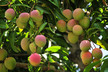
To maintain supply reliability, diversification across sourcing regions is essential. Avocados are sourced from multiple countries, including Peru, Colombia, South Africa, Spain, Morocco, and Chile, while mangoes mainly come from Brazil, Peru, the Ivory Coast, Israel, and Spain. "You have to diversify your sources," Mayer stresses, pointing to disease outbreaks such as anthracnose in Peru and climate-related disruptions like hurricanes in the Dominican Republic and heavy rains affecting ginger quality in China. Long-term relationships and exclusive farms are also key to securing supply in a competitive market.
 © TFC Holland BV
Technology and the Softripe revolution
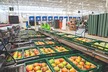
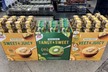
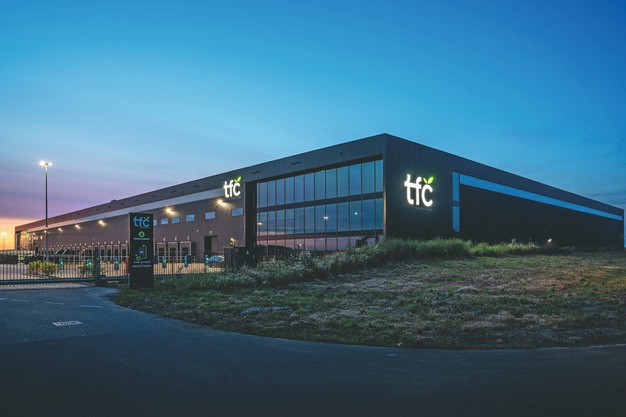
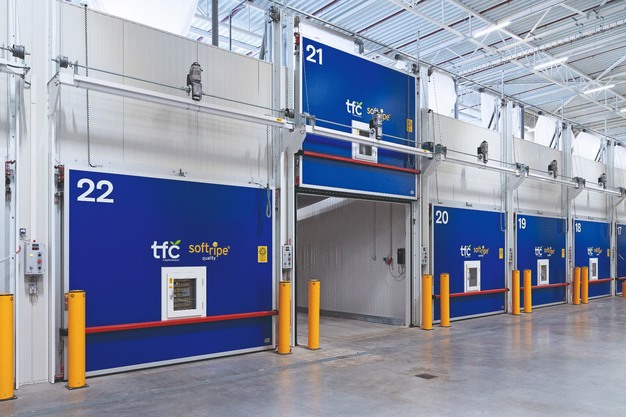
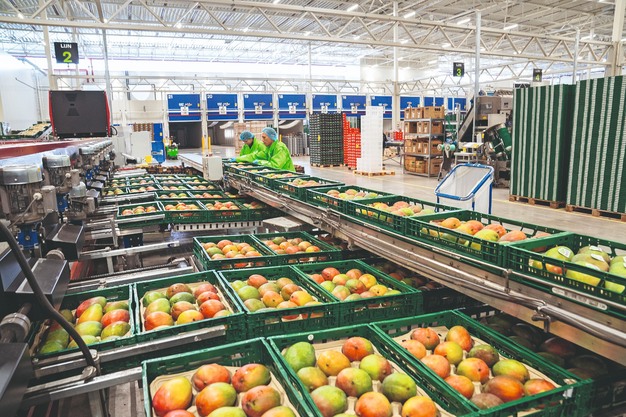
Technology plays a central role in TFC's strategy, particularly its AI-supported Softripe ripening system. The technology measures gases released during ripening and adjusts temperature, humidity, and ethylene levels in real time to achieve consistent ready-to-eat quality. "Softripe is not magical. If the fruit is bad, you cannot ripen it perfectly," Mayer explains, emphasizing that technology complements, rather than replaces, good sourcing. The system has supported significant growth in markets such as the UK and Scandinavia, where repeat purchases are driven by quality.
 © TFC Holland BV
Sustainability: ambition meets economic reality
Sustainability is another major focus. TFC follows Science Based Targets Initiative (SBTi) standards, operates its Waddinxveen facility on renewable energy, and has reduced power consumption by more than 50% with a modern cooling system. The company is also shifting toward recyclable and paper-based packaging, with around 80% now considered sustainable. However, Mayer notes that sustainability investments are not always rewarded financially. "Everybody talks about sustainability, but at the end of the day, it's at the cost of our margins."
Looking ahead, Mayer sees continued growth in ready-to-eat products, especially avocados, and increasing consumer interest in origin and certification, particularly in Scandinavia. While niche fruits may gain attention, success will depend on marketing and affordability. Ultimately, he believes balancing quality, sustainability, and resilient supply chains will remain key to long-term success.
For more information:
TFC Holland B.V.
Piet Stuurmanweg 7a
NL-2742 JX Waddinxveen
Tel: +31 (0) 174 525700
[email protected]
www.tfc-holland.nl