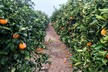
Asia is not just growing, it's becoming essential for Egyptian citrus exporters with its reliable demand and premium quality recognition, says Ahmed Omran, an Egyptian export agent specializing in fresh produce. "Egypt's 2024/25 citrus production of 2.1 million tons, of which 1.66 million tons are oranges, positions the country to fill seasonal gaps in the region," he adds.
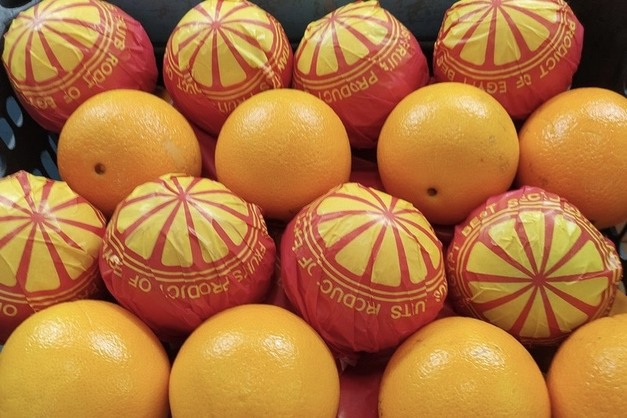
According to Ahmed, Asian volumes are climbing steadily. "Over the past 2-3 seasons, shipments of Egyptian oranges and mandarins have surged, with 232,000 tons of oranges exported yearly. He explains, "Some countries that stand out include India with 92,529 tons, Bangladesh at 70,002 tons, Malaysia 30,554 tons, Japan 2,786 tons, Indonesia 3,767 tons, and Hong Kong 3,356 tons."
 © Ahmed Omran
While Europe and the Gulf, which include Saudi Arabia, 246,421 tons, UAE 114,448 tons, still take the lion's share, Ahmed says Asia's portion is set to expand as buyers look to procure counter-seasonal supply. "The Gulf, especially Saudi Arabia and the UAE, presents the strongest demand right now, driven by competitive prices, good quality, and reliable supply of Egyptian citrus. South and Southeast Asia, including India, Bangladesh, Japan, and Singapore, are growing fast due to seasonal availability and the fruit's sweet, juicy flavor, with buyers appreciating our premium varieties," he adds.
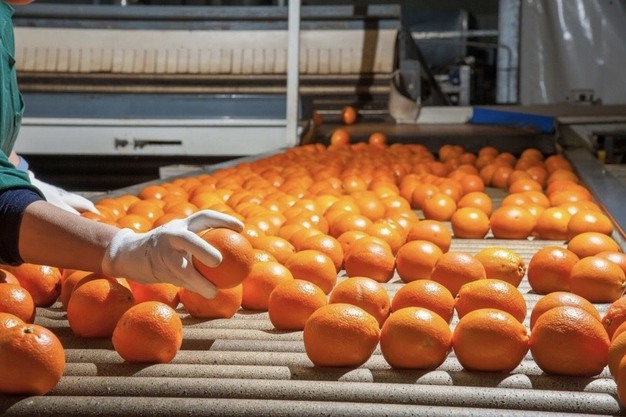
Ahmed highlights an edge that supports Egyptian citrus's competitiveness against South African, Chinese, or U.S. citrus in Asia. "Egyptian oranges and mandarins offer counter-seasonal timing, superior taste, consistent quality, and flexible pricing. Our shipments are reliable and attract premium positioning in markets like Japan and Singapore. The fruit is versatile for fresh eating, juicing, or re-export, and comes in a wide range of varieties. Navel oranges, mandarins or clementines, and Valencia oranges are most requested for their easy peeling and long-distance durability."
 © Ahmed Omran
Red Sea disruptions are no longer an issue this season, Ahmed confirms. "Shipments to Asia run smoothly, preserving quality. We see big opportunities in Southeast Asia and India for fresh consumption and re-exports, with demand rising for the fruit's value. However, more institutional and government support is needed to grow our share."
Most exports still go to Europe and the Gulf, but Ahmed expects Asia's slice to grow. As he sums it up, "Egypt offers a diverse produce lineup, with potatoes, onions, strawberries, and garlic following citrus into Asia. Faster export procedures, better logistics, and trade promotions would help us capture more. As regional demand builds, we're ready to step up," he concludes.
For more information:
Ahmed Omran
Tel: +20 106 410 91 23
Email: [email protected]