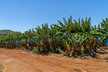
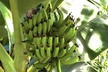
The Philippines Department of Agriculture is seeking to diversify its agricultural export portfolio by promoting 10 additional high-value crops for the global market, following a recovery in banana exports, the department said.
In a statement, Agriculture Secretary Francisco P. Tiu Laurel, Jr. said the country's return as the world's second-largest banana exporter in 2025 reflects the outcome of targeted government measures.
"Many thought the banana industry was in decline. This is proof of concept that when interventions are done right, we can reverse the trend," he said.
According to preliminary data from the Food and Agriculture Organization, exports of Philippine bananas likely increased by 25.6 per cent to 2.93 million metric tons last year, reversing a slight decline recorded in 2024.
The Department of Agriculture said it aims to apply the same approach used in the banana sector to other high-value crops, including asparagus, avocado, calamansi, dragon fruit, durian, okra, pomelo, and rambutan. These products are being positioned for wider export development this year.
Fruit and peels are currently the Philippines' second-largest agricultural export category. Their export value rose by 33 per cent year on year to US$244.4 million in November, according to the department.
Cavendish bananas continue to dominate export volumes, but cardaba bananas, also known as saba, are contributing to export growth through processed products such as banana chips, steamed saba, and banana catsup.
The department said the High-Value Crops Development Program has distributed planting materials to support farm expansion and the renewal of existing banana plantations.
Despite the recovery in exports, the banana sector continues to face production risks. The department said Fusarium wilt tropical race 4, also referred to as Panama disease, has affected approximately 15,500 hectares in the Davao Region.
According to the department, controlling and mitigating the disease will be necessary to maintain current export levels and to support the broader strategy of expanding fruit exports beyond bananas.
Source: BusinessWorld