A prolonged cold snap in South Korea, with wind chills falling to minus 20 degrees Celsius, is disrupting supply chains and pushing up prices for agricultural products. Fruit and vegetables sensitive to low temperatures are seeing higher producer prices, with the risk that these increases may be passed on to consumers.
According to the Bank of Korea, the producer price index in December rose 0.4 per cent month on month to 121.76, marking the fourth consecutive monthly increase. Producer prices for agricultural, forestry, and fishery products rose by 3.4 percentage points compared with the previous month, leading overall price movements.
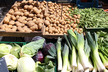
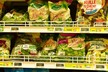
Since the start of the month, prices for leafy vegetables such as perilla leaves and lettuce, as well as fruits including apples and tangerines, have increased as cold conditions affected supply and demand. Industry sources indicate that repeated sharp temperature drops may also disrupt the availability of overwintering crops, adding further pressure to the market.
Large retail chains are adjusting their sourcing strategies as abnormal weather becomes more frequent. Lotte Mart has expanded sales of smart farm-produced items, focusing on weather-sensitive crops such as perilla leaves, cucumbers, and lettuce. E-MART is managing winter price volatility through stockpiling and centralized handling at its own fresh center.
A distribution industry official said, "Leafy vegetables and fruits are extremely sensitive to natural conditions. Price increases due to cold damage occur frequently," adding, "While cultivation technologies that are not bound by the environment, such as smart farms, are gaining attention, the share of agricultural products grown with such technologies is not large enough to stabilize overall prices, so an impact is inevitable."
The restaurant sector is also facing higher costs, driven by rising domestic produce prices, a strong U.S. dollar, and higher raw material costs. Import prices for local vegetables are increasing, intensifying cost pressures.
Industry participants report that options such as reducing the use of high-cost ingredients or substituting inputs are being considered, but the scope to limit price increases remains limited. The government has requested cooperation from food companies to stabilize processed food prices for the holiday period. Market observers note that weather conditions and exchange rates remain outside direct control.
A restaurant industry official said, "As dining-out prices have recently risen and demand has fallen, the industry as a whole has been hit, so it is difficult to consider price increases. Even operating winter seasonal menus is being approached cautiously due to cost pressures," adding, "We are watching the situation because cost pressures are a concern even after the Lunar New Year holiday."
Source: ChosunBiz