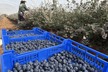
During the December and January peak period, Air New Zealand Cargo handled close to 6,000 tons of freight, reflecting seasonal demand linked to New Zealand's summer export window. The holiday period traditionally coincides with increased volumes of fresh fruit moving to overseas markets, where timing and shelf life are key operational factors.
Capsicums and cherries were the main horticultural products transported by air during this period. Capsicum shipments reached approximately 700 tons, supplying a range of international destinations. Cherries accounted for around 615 tons, with a large share destined for Asian markets linked to Lunar New Year demand.
These fruit movements require tight coordination across the supply chain, from harvest scheduling and packhouse throughput to airport handling and final delivery. Air freight is primarily used to meet market windows where sea transport does not align with quality or timing requirements.
In addition to produce volumes, Air New Zealand Cargo also managed specialised shipments classified as live cargo during the same period. These consignments required separate handling protocols and demonstrate the operational complexity of managing diverse cargo streams alongside fresh produce under peak conditions.
From a logistics perspective, the seasonal surge places pressure on cargo capacity, cold chain management, and turnaround times. Fresh fruit shipments depend on stable temperature control, fast loading procedures, and minimal dwell time at transit points. Any disruption can affect the arrival condition and downstream distribution.
For exporters, the December–January window remains a critical phase for servicing premium and time-sensitive markets. Air freight continues to play a supporting role for high-value fruit categories where consistency, arrival timing, and quality specifications are tightly defined.
The seasonal flow of fruit highlights broader challenges in global perishables logistics. Carriers must balance limited capacity with fluctuating demand while maintaining food safety and product integrity. Coordination between growers, exporters, freight handlers, and airlines remains central to managing peak export periods effectively.
Source: GetTransport