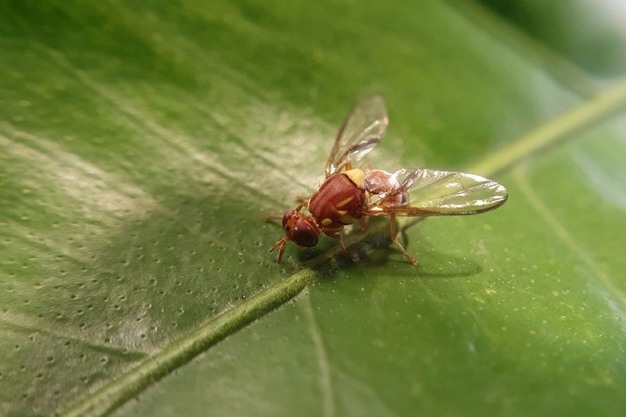
The Department of Primary Industries and Regions SA has declared a Queensland fruit fly outbreak in Elizabeth East, in Adelaide's northern suburbs, and has introduced quarantine measures for the affected area.
The outbreak was declared after five Queensland fruit flies were detected in monitoring traps during routine surveillance conducted by PIRSA staff. The affected zone includes Elizabeth East and the surrounding suburbs. Residents and businesses in these areas are advised to check the official outbreak map to confirm whether they fall within the restricted zone.
To support affected commercial growers, the South Australian State Government will provide a 50 per cent subsidy on treatment costs for fruit grown within the outbreak area for a defined period. This measure is intended to assist businesses in meeting certification requirements during the response phase.
 © SA.GOV.AU
PIRSA officers have begun visiting properties in the outbreak area. Staff members, who carry official identification, are applying organic bait treatments to foliage and inspecting fruit for signs of infestation, including maggots. Industry briefings are also planned to provide further information to growers and supply chain operators.
According to Nick Secomb, Director of Plant and Invasive Species Biosecurity, eradication measures are expected to be effective if quarantine requirements are followed. He stated that the movement of untreated fruit poses a risk of spreading the pest and that residents within the 1.5-kilometre red outbreak zone must not remove fresh fruit or fruiting vegetables from their properties, including sharing produce or selling it through informal channels.
Home-grown fruit and fruiting vegetables may only be moved if they are first cooked, juiced, or preserved. Purchased fruit from supermarkets is not affected by the restrictions and remains safe to consume and transport.
Residents are being advised to inspect ripe fruit on trees, including stone fruit, for signs such as bruising caused by egg laying or the presence of larvae, and to report any concerns via the Fruit Fly Hotline on 1300 666 010. Families and students returning to school are reminded that fruit and vegetables bought from retail outlets can still be included in lunchboxes.
PIRSA noted that Queensland fruit fly develops more rapidly in warmer conditions, as higher temperatures support faster development of eggs, larvae, and pupae, especially when fruit is readily available. Community cooperation is therefore required to reduce breeding opportunities by keeping gardens tidy, collecting fallen fruit, and removing unwanted fruit from trees for disposal in green bins.
As part of the eradication program, PIRSA is also planning to use the Sterile Insect Technique within the outbreak area. These releases are scheduled to take place once a 12-week period of organic baiting has been completed.
For more information:
SA.GOV.AU
Tel: +61 1800 255 556
Email: [email protected]
www.pir.sa.gov.au