DS Smith has partnered with Romanian agricultural cooperative Serele Super to replace around ten million plastic packages used for fresh tomatoes with fibre-based, recyclable corrugated cardboard alternatives.
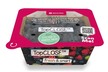
DS Smith's design team reviewed several single-use plastic packages previously used by Serele Super for its tomato range and developed four fibre-based corrugated cardboard punnets to replace them. The new formats are designed to be compatible with existing production lines and are fully recyclable at the end of life. The punnets are FSC certified and intended to simplify packing operations.
The designs include angled corners to accommodate different cherry tomato varieties with varying size requirements. According to DS Smith, the punnet structure reduces unused space while supporting packing efficiency in hybrid production environments. The packaging is combined with a recyclable flexible film to support handling and shelf presentation.
Following a three-year trial period, Serele Super reported changes in environmental and material performance compared with PET packaging. These included a reported reduction of 46 per cent in CO2 impact and up to 21 per cent improvement in material use, while maintaining product protection.
The packaging was developed using DS Smith's Circular Design Principles and its Circular Design Metrics tool. This framework assesses packaging performance across indicators, including carbon footprint, recyclability, reuse potential, supply chain efficiency, material utilisation, and recycled content.
The move forms part of a broader activity in fibre-based produce packaging. During the previous summer, Coveris worked with the Metis plums brand to introduce linerless lid and punnet formats at Tesco. The solution was designed for use on automated Ravenwood machinery while reducing plastic use.
Separately, Metsä Spring, the innovation unit of Metsä Group, introduced new punnet concepts under its Muoto Uncoated Fibre Series. The range includes two punnet sizes for berries, fruit, and vegetables, and is produced from renewable wood pulp. The company stated the punnets are recyclable and biodegradable.
Across the fresh produce sector, packaging development continues to focus on reducing plastic use while maintaining line efficiency, product protection, and compliance with recycling systems.
Source: Packaging Europe