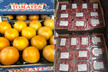
Godagari Upazila in Rajshahi, located in the drought-prone Barind region of Bangladesh, has seen a change in its agricultural production over the past decade. Farmers who previously relied on water-intensive crops such as rice, jute, and wheat are increasingly moving towards fruits and vegetables, including tomato, guava, dragon fruit, malta, and orange, as irrigation availability declines and production costs rise.
Farmers report that the elevated Barind highlands, which previously produced only one seasonal rice or wheat crop due to limited water, are now supplying fruits and vegetables throughout the year. This shift has supported farm income and local employment, although the absence of adequate storage and preservation facilities continues to create post-harvest pressure.
According to the Department of Agricultural Extension in Rajshahi, the district produces more than 500,000 tons of vegetables per year, with an estimated 5 to 10 per cent lost annually due to insufficient storage. These losses affect both growers and traders.
Godagari and Tanore are the two upazilas within the Barind tract in Rajshahi, with Godagari showing higher levels of crop and fruit production. The upazila has around 41,199 hectares of cultivable land, where at least 22 crops are grown, including rice, vegetables, and fruit. Expanded fruit cultivation has generated employment for thousands of workers.
During the current season, tomato cultivation in Godagari covered 2,710 hectares, producing an estimated 97,560 tons with a reported value of Tk243.9 crore, equivalent to around US$22.2 million at Tk25 per kg. Guava was grown on 1,025 hectares, producing 45,580 tons valued at Tk71.4 crore, about US$6.5 million. Dragon fruit covered 195 hectares, yielding 3,900 tons valued at Tk273 crore, or roughly US$24.8 million. Malta and orange were cultivated on smaller areas with reported market returns.
Habibur Rahman, a farmer from Hujrapur, explained that earlier production systems offered limited income. "By selling fruits, many of us now buy rice cheaply during the season and manage food for the whole year," he said, adding that Barind conditions are suitable for fruit farming.
Data from the past five years show declining areas for Aman, Aus and Boro rice, wheat and pulses, while fruit, vegetable and oilseed cultivation has expanded. Sweet potato area, for example, increased from 30 hectares to more than 2,300 hectares during this period.
Traders report consistent demand for produce from Godagari. "Guava, malta, and dragon fruit from this area have good taste and high demand, not only in Rajshahi but across the country," said wholesaler Abdus Salam.
Godagari Upazila Agriculture Officer Mariam Ahmed noted that tomato and fruit yields have been high this season and said these crops require less water than rice. This season, Pran Group purchased about 22,000 tons of tomatoes under contract farming arrangements.
Despite production gains, economists and farmers continue to highlight the need for cold storage and processing facilities to reduce losses and improve market outcomes.
Source: DhakaTribune