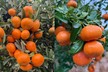
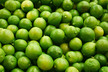
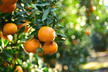
Iran is currently in the midst of its citrus harvest season, with orchards across provinces from Mazandaran in the north to Hormozgan in the south producing oranges, mandarins, lemons, and other citrus fruits. Each year, the country harvests more than 6 million tonnes of citrus, placing Iran among the world's leading producers alongside countries such as Spain. Its climatic diversity and fertile soils support a wide range of varieties for both domestic consumption and export.
Domestic demand is strong, with per capita orange consumption reaching about 45 kilograms annually—well above the global average—providing a stable base for producers while allowing premium-quality fruit to be selected for export.
Iran exported fresh and processed citrus products worth more than $200 million to over 30 countries last year, highlighting the sector's growing potential as a source of foreign currency earnings, according to a senior agriculture official.
Karim Zolfaghari, head of the Center for Mechanization Development and Agricultural Industries, said Iranian citrus products are increasingly competitive in both regional and international markets due to their quality, varietal diversity, and expanding processing capacity. Iran produces more than six million tons of citrus annually, ranking it among the world's major citrus producers.
Zolfaghari emphasized the importance of adopting a full value-chain approach to manage high production volumes more efficiently. Expanding processing and complementary industries, he said, is critical to reducing post-harvest losses, extending product shelf life, increasing value added, creating employment, and strengthening non-oil exports.
Currently, more than 1,200 licensed industrial units operate across the country in grading, packaging, processing, and the production of citrus concentrates and juices. These facilities have a combined nominal capacity exceeding 7.4 million tons, a substantial portion of which is dedicated to citrus products.
However, Zolfaghari identified several challenges, including inadequate standard infrastructure, market volatility, the need to upgrade technical expertise, and limited development of industrial citrus varieties. Addressing these issues through targeted support, increased investment, and stronger linkages between producers and processors could position Iran as a regional hub for citrus processing, supporting rural development, job creation, and export growth in producing regions.
Iranian citrus is exported to markets including Russia, Iraq, China, and Persian Gulf countries. Russia is a key destination, absorbing a significant share of Iranian citrus exports due to consumer preference for their balanced flavor. Export strategies vary by variety, with Naval oranges targeting Gulf markets, Thomson oranges shipped to Russia and East Asia, and Valencia oranges used for juice production. This varietal diversity enables year-round supply and strengthens Iran's position in global citrus trade.
Source: www.presstv.ir