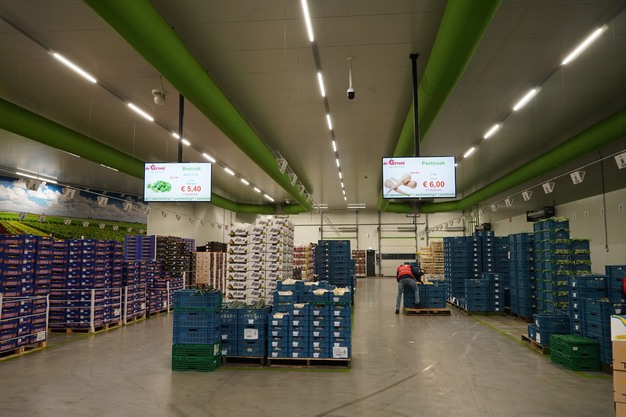
Once primarily known for citrus and bananas, the de Groot fresh group has expanded strongly in recent years. Through close cooperation with European growers and the acquisition of Gebroeders van Aarle, the company now offers a broad year-round vegetable assortment, from cucumbers and cauliflower to broccoli and zucchini, with Spain playing a key role in ensuring continuity and volume.
 © De Groot fresh group
Challenging transition in citrus
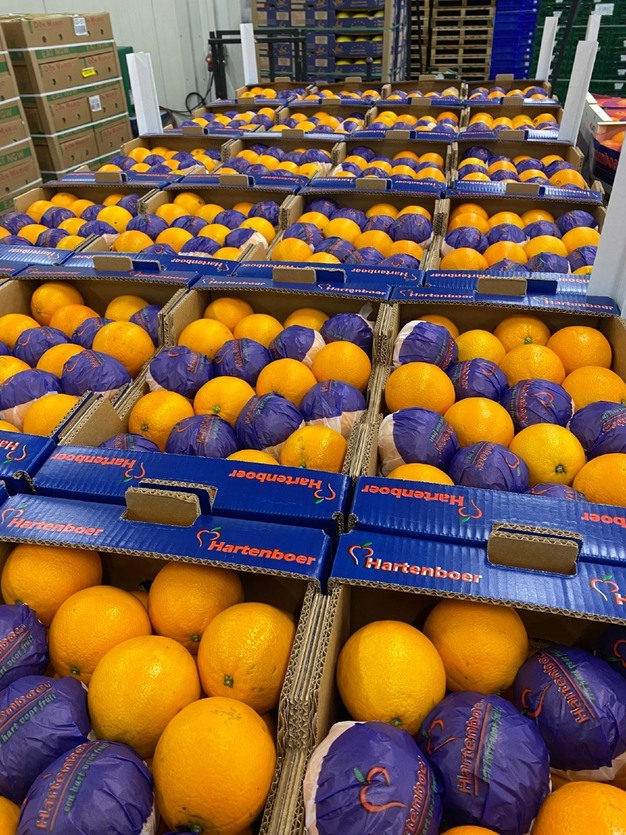
This year's switch from South African to Spanish citrus was less smooth than in 2023. "We ran out of South African hand-picked oranges earlier than usual," says Jeroen Schenkels. Varieties such as Cambria and Witkrans failed to extend the season, creating a supply gap before Spain fully started. Although Spanish citrus arrived early, initial quality was disappointing, with pale color and weak flavor. By late November, however, Andalusian Navelinas with deep color and good taste entered the market, including plenty of larger sizes, while Valencia mainly supplied smaller calibers.
 © De Groot fresh group
Mandarins: pressure on Satsumas, strong demand for club varieties
The mandarin season began with Satsumas such as Iwasaki, Okitsu, and Owari, but conditions were difficult. South African fruit remained on shelves longer than usual, and rainfall in Valencia reduced shelf life. Rising transport costs added further pressure. As usual, de Groot fresh group entered later with Oronules and largely bypassed varieties like Arrufatina and Marisol.
Once again, club varieties proved to be the real winners. Tango, Orri, and Nadorcott are in strong demand due to their ease of peeling, flavor, appearance, and shelf life. The company focuses mainly on Spanish Tango, with Moroccan Nadorcott following from late December.
New origins and products
Following the acquisition of Gebroeders van Aarle, the company introduces the Cretastar label, featuring citrus, grapefruit, and avocados from Crete, known for their distinctive flavor. This range becomes available from mid-December. Grapefruit sourcing is also diversifying, with Turkish grapefruit gaining importance thanks to its quality and appearance.
Persimmons started the season with oversupply and collapsing prices, especially in the Netherlands. By December, the market stabilized, and better storage is helping to spread supply more evenly.
 © De Groot fresh group
Vegetables: mixed picture
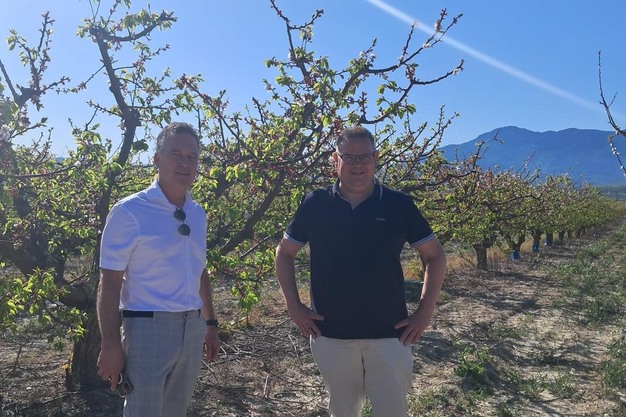
Bell peppers are a major concern. Thrips infestations in Almería caused average losses of around 30%, with peaks up to 50%, leading to high prices, limited supply, and a likely early season end. While volumes have been met so far, alternatives are being explored. Weather uncertainty is also making seasonal contracts increasingly difficult.
For tomatoes, the focus remains on Belgian winter production, complemented by Spanish specialties from Granada La Palma. In full soil vegetables, iceberg lettuce faces price pressure due to oversupply, while broccoli and cauliflower transition smoothly from Dutch to Spanish production. (PB/PDC) 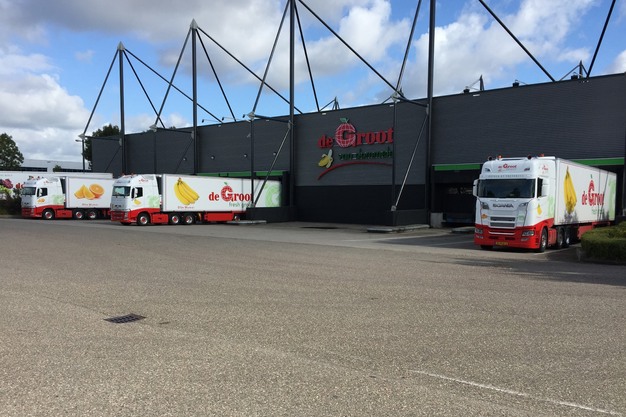 © De Groot fresh group
For more information: 
De Groot fresh group
Postbus 14
5330 AA Kerkdriel
[email protected]
www.degrootfreshgroup.com