Agrocalidad, Ecuador's Agency for Phytosanitary and Zoosanitary Regulation and Control, officially confirmed the presence of the Fusarium oxysporum f. sp. cubense Tropical Race 4 (Foc TR4) fungus on a banana farm in El Oro province, immediately activating control measures and declaring a phytosanitary emergency for six months.
Foc TR4 is regarded as one of the major threats to musaceae cultivation worldwide. Currently, there are no chemical controls or resistant commercial varieties available. The detection was confirmed through laboratory tests and following the established diagnostic cascade, and it may impact banana, plantain, orito, and other musaceae.
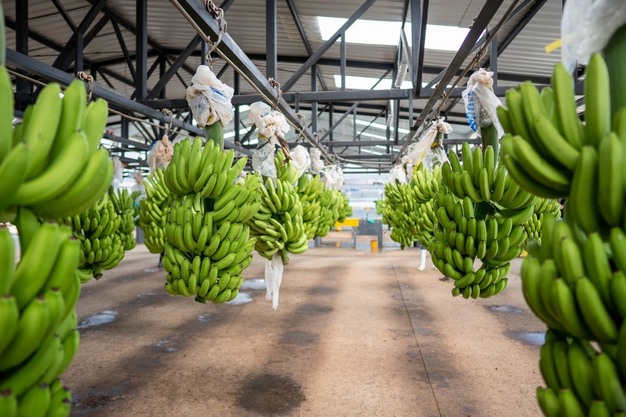 © Acorbanec
Richard Salazar, executive director of Acorbanec, stated that the country has been preparing for this known threat for several years. "This fungus represents a genuine and ongoing risk to the entire banana industry. Currently, there is no chemical control or resistant variety available, making biosecurity crucial," he emphasized.
Official reports indicate that the outbreak occurred on a farm of approximately seven hectares, prompting immediate eradication efforts. Extensive monitoring was conducted within a radius of more than five kilometers, and to date, there is no sign of the pathogen spreading. "It seems to be contained. A similar situation happened in Colombia, where prompt intervention prevented further spread," Salazar explained.
"This detection does not pose a risk to human health or consumption, nor does it affect exports, the local market, prices, or the quality of Ecuadorian bananas. The identified outbreak remains limited and is being managed under strict technical protocols, in line with national and international standards," Agrocalidad stated.
The Ecuadorian government declared a phytosanitary emergency for the banana sector to enable the use of State and international cooperation resources. The goal is to strengthen the epidemiological barrier and implement technical measures without harming producers. The National Contingency Plan, activated in September 2025 when authorities first suspected the fungus was present in the region, involved deploying specialized technicians, mobile units, disinfection points, and international expert support.
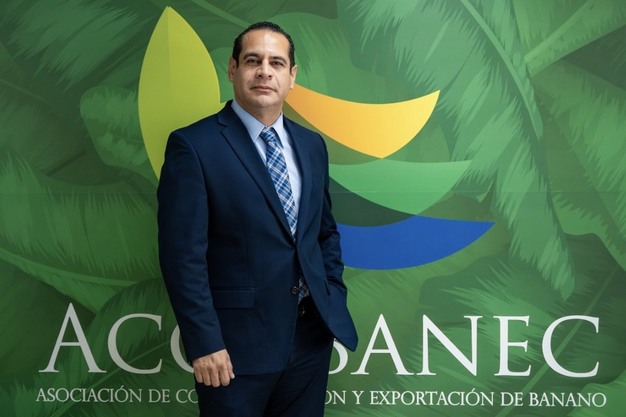 © Acorbanec
For the export sector, the focus is on strengthening biosecurity measures across the production chain. "This is like COVID. When an emergency is declared, we must all adopt strict biosecurity measures. It is the responsibility of each producer to take care of their assets," Salazar said. Key actions include controlling farm access, disinfecting vehicles and footwear, limiting unauthorised personnel, and strengthening controls at ports, airports, and borders.
Acorbanec ruled out immediate and medium-term risks to production and supply. "It has not affected production or market confidence. We have been on alert for several months, and it has not spread," said its executive director. In fact, he recalled that Ecuadorian banana exports have continued to trend upward so far this year.
Coordination between the public and private sectors has been essential. Acorbanec participates in the Fusarium Technical Committee, which includes Agrocalidad, producers, exporters, universities, and research centers, and holds regular meetings to evaluate and refine control strategies. They also conduct ongoing monitoring with field technicians and tools such as drones.
Finally, Agrocalidad and the private sector emphasized the need for ongoing vigilance and continuous coordination. "This won't be the first or last disease the sector encounters, but the main point now is to act responsibly, with discipline and awareness," concluded Salazar.
 For more information:
Richard Salazar
Acorbanec
Ecuador
Tel: +593 98 985 7025
Email: [email protected]
www.acorbanec.com