India's upcoming grape season is approaching with a degree of caution among traders, but Cyril Chakranarayan of Olive Import Export takes on a more optimistic view, expecting a stronger performance than last year. "Key production belts such as Nashik and Sangli, which supply much of India's export-grade Thompson Seedless, are reporting improved fruit quality and a more uniform bunch development after a season of tighter vineyard management."
Cyril highlights that one key change this season will be a shift in the harvesting timelines. "Export cutting, which typically begins around mid-December, is now expected to start late December or early January. Because the rainy season ended later than usual and nights were cooler during berry development, the grapes have taken longer to mature."
 © Olive Import Export
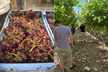
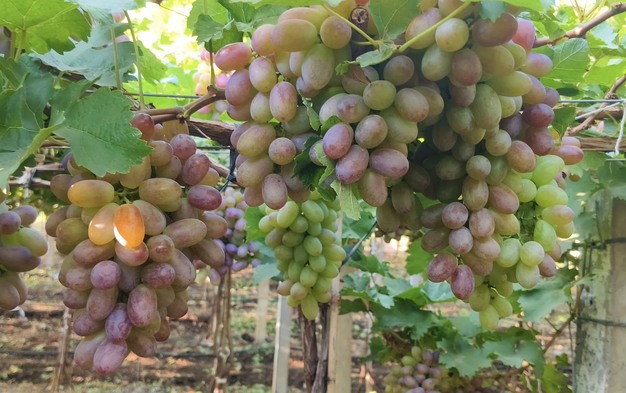
This slower maturity is proving beneficial, with field checks showing firmer berries, better size, and improved brix levels, Cyril observes. "These factors are critical for long-distance sea shipments to Europe and the Middle East. Quality indicators are clearly better than last year, when erratic weather trimmed exportable volumes and led to volatile pricing. A stable export window is expected to run through March and into early April, provided weather remains favourable."
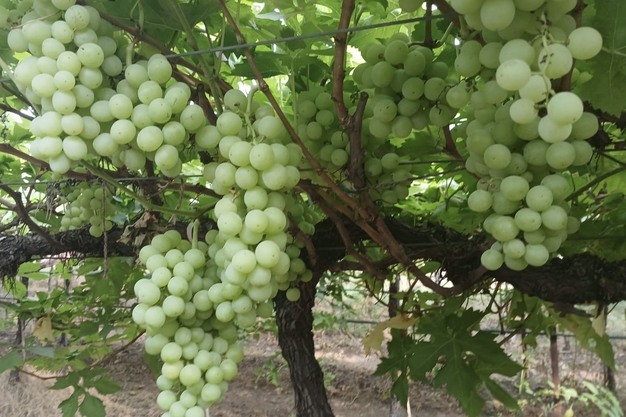 © Olive Import Export
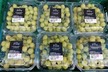
Volumes are projected to rise by around 10 to 15% compared to last season, Cyril mentions. "Thompson Seedless remains the mainstay for Olive Import Export, complemented by Sharad Seedless, Black Seedless, and Sonaka for specific programme needs in the Gulf and European markets. This varietal mix mirrors the wider Indian export pattern, where Thompson Seedless accounts for the bulk of certified shipments into the EU and neighbouring destinations."
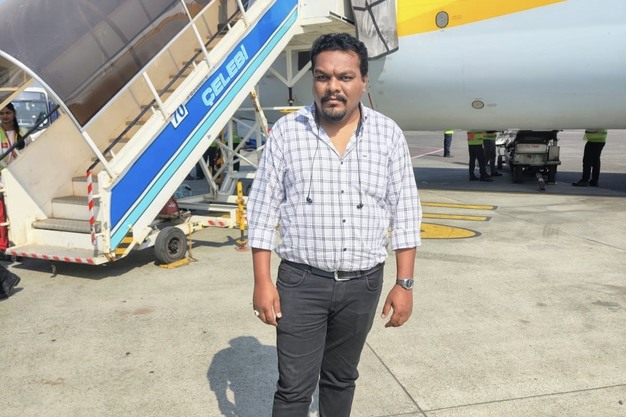 © Olive Import Export
With a more uniform crop this season, Cyril expects pricing to be steadier. "Rates may open on the higher side at the start of the season, but are likely to normalize as supplies ramp up through January and February. Olive Import Export is aligning procurement, pack-house scheduling, cold-chain handling, and documentation to the revised calendar, aiming to deliver consistent quality to buyers while supporting grower partners with predictable off-take."
"The grape market is investing in better post-harvest infrastructure and protocols, helping Indian grapes consolidate their position against competing origins such as South Africa and Peru in Gulf and European programmes." With expectations of a cleaner crop, higher export volumes, and stable demand, Olive Import Export prepares to enter the new season with greater confidence than last year.
For more information:
Cyril Chakranarayan
Olive Import Export
Tel: +91 83 29 142 948
Email: [email protected]
www.oliveimportexport.com