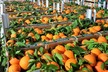
In Limpopo, South Africa, a lime production project near Hoedspruit has been developed to supply the domestic market and reduce reliance on imports. The Moletele Lime Project now covers about 60 hectares and includes approximately 34,000 lime trees, producing around 900 tons of fruit per year.
The project is based on a partnership between South African Breweries, Komati Fruit Group, and the Moletele community, which owns the land. Limpopo is a major fruit-producing region, but lime cultivation has historically been limited. Less than 10% of South Africa's nearly 100,000 hectares of citrus orchards are planted with limes, despite suitable growing conditions.
Domestic lime availability became an issue as demand increased in the local food and beverage sector. In 2020, South African Breweries began developing a local supply base in Hoedspruit, while Komati Fruit Group provided production expertise and equipment. The Moletele community contributed land for the project.
South African Breweries invested R19 million, equivalent to about US$1 million, to establish the orchards. According to the company, the focus was on securing local supply while supporting agricultural activity in a rural area with high unemployment.
The project employs 15 full-time workers, with additional seasonal labor during peak periods. Production practices include split-block planting, soil moisture monitoring, and protective netting to manage yields and crop consistency.
"When I came here in 2022, there was nothing. Now there are 60 hectares of limes. I was involved in planting most of these trees," said Phontsho Mathebola, valve operator at the Moletele Lime Project.
Within three years, production has increased from zero to about 900 tons annually. South African Breweries stated that local sourcing reduces exposure to international shipping and trade constraints. "We are heavily invested in agriculture, because then we're not reliant on international shipping, trade tariffs," said chief executive Richard Rivett-Carnac.
The project also aims to transfer production knowledge to local growers, who can apply these practices to other crops within the region.
Source: BBC