Pakistan's fruit and vegetable exporters report cautious optimism following the reopening of the Iran transit corridor, which restores access to key Commonwealth of Independent States (CIS) markets for potatoes and Kinnow.
According to Waheed Ahmed, Patron in Chief of the All Pakistan Fruit & Vegetable Exporters, Importers & Merchants Association, the potato sector avoided losses from recent floods. "The floods had no impact on the potato crop as the produce was already in cold storage after harvesting at the time," he said. The new potato crop is now entering markets, and a 5 to 10 per cent impact on fresh arrivals is not expected to affect domestic supply.
Exports to CIS states were constrained during the 50-day closure of the Afghan border. "We were unable to make supplies, which led to a negative impact on local rates," Ahmed said. With the Iran corridor now open, exporters expect to resume movement. "Once exports resume, we need at least 8 to 10 trawlers daily. Had this route not reopened, the situation would have been extremely difficult."
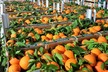
A bumper Kinnow crop is reported for the current season, which began on December 1. Smaller-sized fruit dominates in high-yield years but has limited domestic demand. Ahmed noted that CIS countries and Russia remain the main outlets. "If this route had remained closed, more than 50 per cent of small Kinnow would have gone unsold."
Exporters, however, face higher freight charges. Reefer container rents have risen from 120 million Toman to 240 million Toman in ten days. Ahmed urged the government to raise the issue with Tehran.
He also warned that Pakistan's decades-old Kinnow variety has declining export competitiveness, narrowing the marketing window. "The 500,000 to 550,000 tons we used to export in the past fell to 250,000 tons last year, and it may decline further if corrective measures are not taken," he said. The season, once stretching from October to May, is now two to three months.
The border closure also delayed harvesting and slowed operations at more than 300 processing factories. Ahmed said around 450,000 workers depend on the Kinnow industry.
Growers and exporters are increasingly hesitant to commit shipments under current risks. Ahmed said, "We established our factory in 1995, but this is the third year I have not exported because I do not want to risk my brand and reputation." He noted that some exporters in Sargodha and Bhalwal are shifting to other businesses.
Ahmed called for new Kinnow varieties with longer shelf life and said the Punjab government allocated Rs1.4 billion for variety development, though no progress has been reported. He encouraged authorities to involve consultants, enforce nursery standards, and invest in disease-free plant material to support future production.
Source: INP