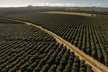
Institutional agricultural investment has long focused on California, the U.S. Midwest, Australia, and parts of Latin America. However, investors are beginning to assess North African permanent crop production, which offers Mediterranean growing conditions at frontier market acquisition costs. After years in institutional asset management, the author of the source text describes an investment case built around production economics, water positioning, and proximity to European markets.
Land and operating costs in Morocco's agricultural zones sit below those in California's Central Valley. Water for permanent crops costs less, particularly within areas equipped with modern drip irrigation systems supported by government programmes. Labor and energy costs follow the same pattern. According to the text, these structural differences create what private equity investors would recognize as an arbitrage between operational cash flows and asset valuations.
 © Africa Organics
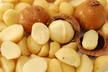
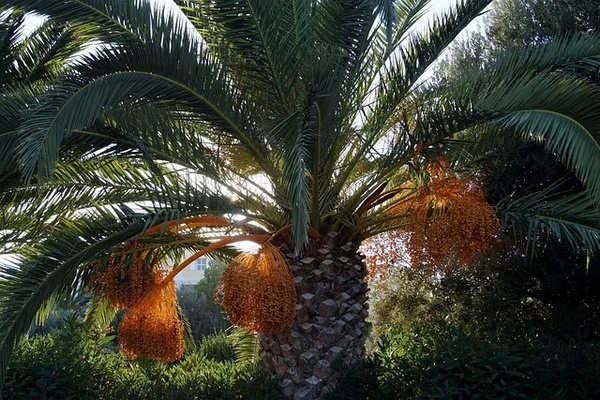
Morocco's main permanent crops include Medjool dates, olives, and almonds. Date and olive production already supply European buyers under an established trade framework. Almonds reach Europe within days by road and ferry, avoiding the long transit times and container shipping volatility from California.
Water policy forms part of the investment discussion. California's Sustainable Groundwater Management Act is expected to shift land out of production by 2040 due to reduced extraction allowances. Morocco has expanded drip irrigation through its National Irrigation Water Saving Programme, with growers using deep wells, pressurized irrigation, fertigation, and soil moisture monitoring. The text argues that North African farmland is already priced for water scarcity, with valuations reflecting perceived market risk rather than hydrological conditions.
Morocco's location provides logistical advantages. Produce can reach European wholesale markets within days, supported by the EU-Morocco Free Trade Agreement and access to additional global markets. Logistics costs for reaching Europe remain lower than shipments from California or South America.
The source text also outlines emerging carbon credit revenue from permanent crop sequestration and agroforestry systems. Market access may grow through regional carbon trading platforms in the Gulf.
Risk mitigation often centres on co-development models linking institutional capital with local operators, government relationships, and off-take channels. Financial structures follow familiar private equity approaches, with preferred returns and negotiated waterfalls.
According to the source material, Morocco's political structure, agricultural policy, trade agreements, and infrastructure allow institutional investors to evaluate deployment at scale. Investment routes may include direct partnerships, separate accounts, structured products, or funds.
The text concludes that the investment window may narrow as more capital enters the region. It notes that early deployment often influences return outcomes in real asset strategies, with North Africa drawing attention from family offices, regional sovereign funds, and food companies seeking supply chain resilience.