This year's table grape campaign in northern Peru is developing differently from usual. By week 45, there were fewer Peruvian grapes in the markets, and according to Alonso Puga, the general manager of Proserla, this was not due to a 25% drop in production, as some reports claimed, but to a natural delay in shipments. This delay was caused by markets remaining saturated with grapes from Europe and California for a longer period.
 © Proserla
According to Puga, extended supply from Italy and Spain, along with strong local supply in California, caused many exporters to wait for clearer signals. During this time, closer markets like Colombia and Central America took in some production, but recently, "the market has opened up," and the northern production peak is now apparent.
He also dismissed the idea that rain would have a major impact, noting only a 10-14 mm event a month ago that didn't cause damage, thanks to the sandy soils and vine characteristics that help drainage.
 © Proserla
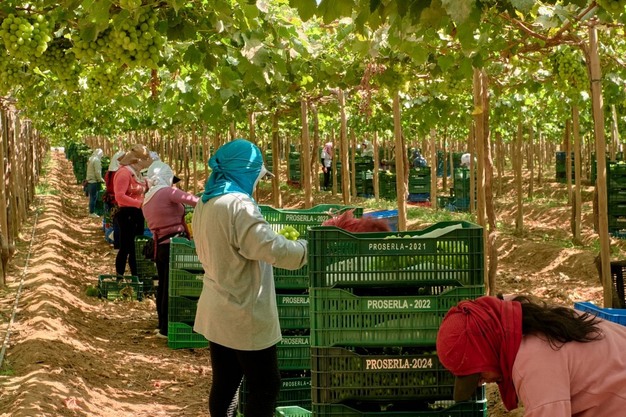
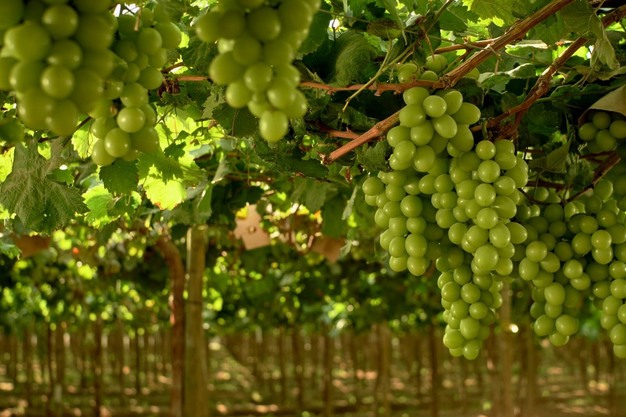
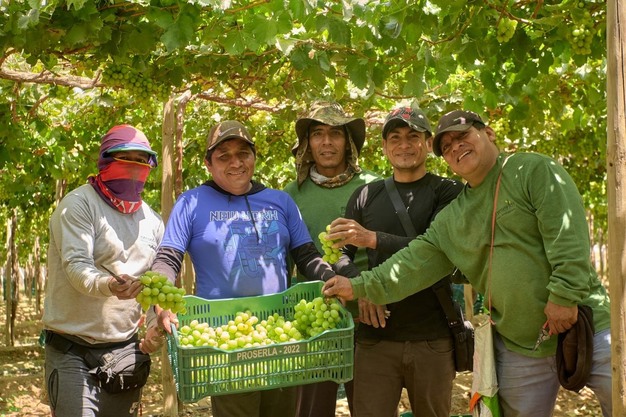
The general manager said this was a very average season. The earliest fields (September) have slightly lighter bunches due to heat during the early sprouting phase, but this only affected about 10% of the total area. The most representative fruit, he noted, is the one harvested in late October and November.
Proserla maintains its projection of 365 containers, with 40% already harvested and no significant variations: some lots show 10% less, while others compensate with 10% more," he said.
 © Proserla
Prices in Europe are around 15-16 euros for a 5kg clamshell, which roughly equals an FOB Peru return of $21-$23 for an 8.2kg box. These prices are lower than last year's exceptional levels, but they remain favorable," Puga stated.
Exports are evenly split between the U.S. and Europe, but interest in alternatives such as Canada or Mexico is growing amid uncertainty about the 10% tariff under the new U.S. administration.
Regarding competition with Chile, Puga mentions that restoring the fumigation system for the American market could help the Ica window, as shipments from northern Peru occur between late December and early January.
 © Proserla
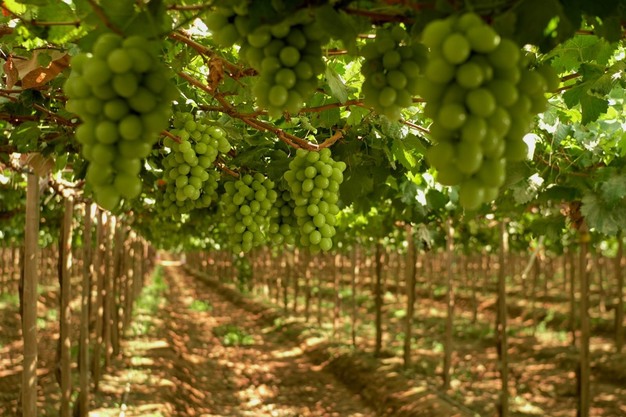
Proserla is focused on Autumncrisp, Sweet Celebration, Sweet Globe, and Scarlotta, with no plans to add new varieties in the near future. He also said the Global Grape Group (GGG) alliance between Chile, Mexico, and Peru is a logical initiative given the complementary nature of the windows.
Puga anticipates a favorable year for the industry and emphasizes that, for the first time, the global market will see the real effects of the concurrent rise in new varieties across different countries, in a year without extreme weather events or logistical crises like those experienced last year.
 For more information:
Alonso Puga
Proserla
Peru
Tel: +51 979 344 611
Email: [email protected]
www.proserla.com