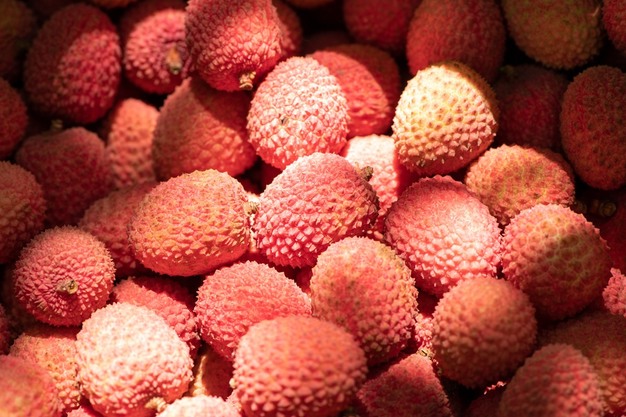
The emblematic fruit of the end-of-year festivities, the Malagasy lychee will soon be available on European shelves. Société Internationale d'IMportation (SIIM), a subsidiary of the Omer-Decugis & Cie group, has announced that the first fruits will fly in this week.
 © SIIM
 © SIIM A campaign that looks better than last year
Last year, drought disrupted production and forced exporters to diversify their supply areas, but this year, the scenario is quite different. "The campaign is shaping up very well, both in terms of volume and quality. Flowering went well and the fruit has formed nicely, so there should not be any supply problems," explains Jean-François Vallet, general secretary of the Omer-Decugis & Cie group. The tonnages exported are more or less the same as last year.
First shipments expected this week
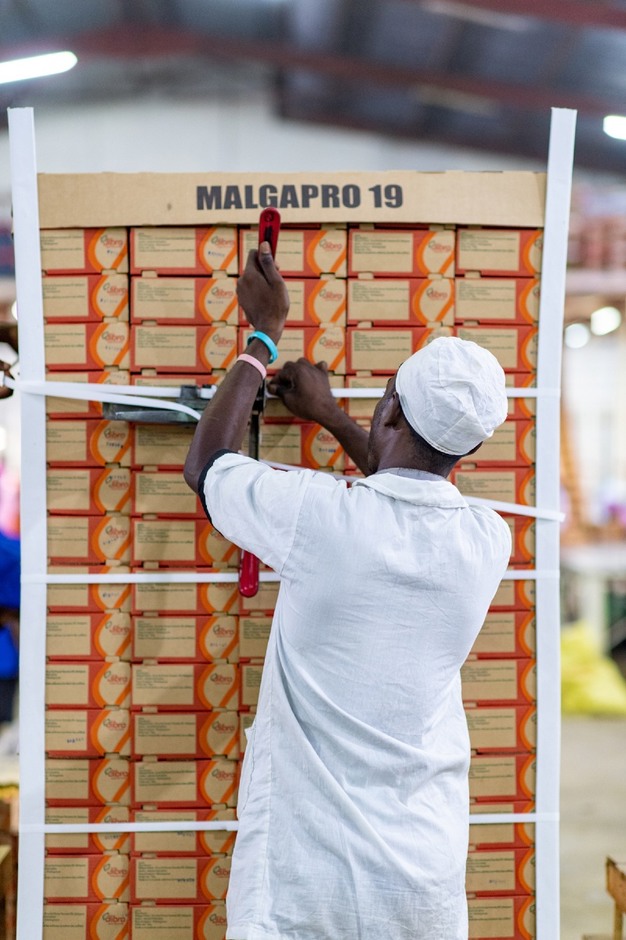
The first shipments of lychees are expected this week. To enable European consumers to enjoy the very first fruit of the season as quickly as possible, SIIM has arranged for them to be transported by air. Arrivals by sea (harvest scheduled for November 20th) are scheduled for week 49 in the ports of Sète and Zeebrugge. "There are still some logistical difficulties in the Red Sea, so we have chartered two ships to avoid excessively long transit times."
Slight increase in consumption
The lychee, the star fruit of the Christmas table, is seeing its consumption "increase slightly over time," explains Jean-François Vallet. However, "it remains a seasonal fruit. Volumes, therefore, need to be matched to demand in order to properly supply the market."
 © SIIM
"No irrigation, no inputs"
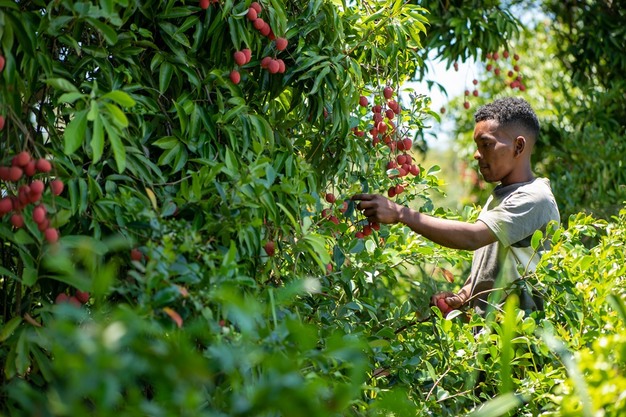
It is a campaign that requires considerable resources, particularly human resources. "Pickers, transporters, station staff, dockers: Nearly 300,000 people work to make the campaign a success every year." As for the fruit, "it grows completely naturally. There is no irrigation, fungicide treatment, or fertilizer. We do not grow the lychee; we pick it when it is ripe." After picking, the fruit is sorted and then "exposed to natural sulphur to ensure that the fruit keeps well."
For more information:
SIIM (Société Internationale d'Importation)
1 place Paul Omer-Decugis, 94150 Rungis
https://siim.net