Eating quality, agronomic performance, and strong postharvest behavior are traits breeders of any fruit category select for. However, for some fruit categories these traits are more advanced than for others. Table grapes for instance matured early into consistent, seedless, premium varieties that reward variety branding. "Once growers reliably delivered fruit that met consumer expectations every time, retailers confidently built brand stories around those varieties," says Bernardo Calvo, CEO of Sun World. After nearly 50 years of creating highly differentiated and consumer-loved grapes, last year the company expanded their portfolio and ventured into the breeding of citrus and mangoes.
"We see massive headroom in both categories and it's a natural extension for us to apply our grape experience to citrus and mangoes through a global licensing engine designed to scale innovation," Calvo commented. When Sun World acquired Biogold in 2024, the company gained immediate access to a field-tested, globally proven citrus portfolio and the world's largest collection of mango genetics. "It was a step-change that let us bring better-tasting, higher-value fruit to market faster for growers and retailers worldwide," he said.
 © Sun World LLC
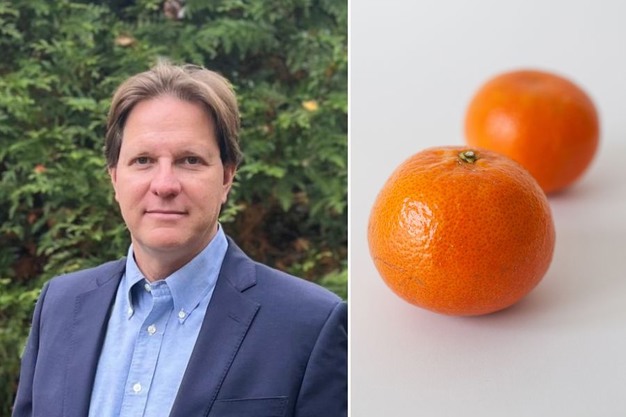
Left: Bernardo Calvo. Right: Leanri mandarin variety from Sun World.
Difference between categories
The biggest difference between the breeding processes of grapes, citrus, and mangoes show up in biology and supply chain. Grapes deliver annual feedback cycles and relatively faster time-to-market once a selection clears trials. Citrus and mangoes on the other hand are woody perennials with longer juvenile phases and more complex global movement rules. "As a result, for these two categories, we lean heavily on multi-region trials and variety rights management to de-risk and accelerate scale."
While the breeding of Sun World's grapes solely takes place in California, U.S., citrus and mango genetics are managed and evaluated across South Africa, the U.S., Europe, and South America. "We also work with originators like Diazteca in Mexico on proprietary mango genetics. This footprint lets us evaluate across climates, seasons, and supply chains." Depending on where fruit performs best, activities are scaled up.
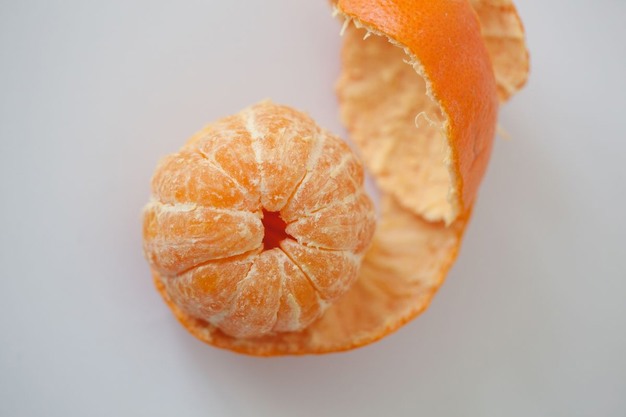 © Sun World LLC
Leanri mandarin variety.
Brand development
As mentioned previously, table grapes matured early into consistent, premium varieties. This supply standardization has helped the development of brands in the category. Within the citrus category, it's not so much the varieties, but retail execution driving brand development. Citrus has successful consumer brands and seasonal programs that reinforce variety identity at shelf. Retailers have also created the merchandising space to feature multiple varieties side by side, supported by cohesive marketing and packaging. Examples are Cuties, Halos, and Sumo. This alignment between supply, shelf strategy, and storytelling has helped consumers recognize and seek out specific citrus brands.
The mango category on the other hand shows more fragmentation. Historically, it has relied on a few export workhorses with high variability in ripeness, size, and eating quality. This has made it difficult to build durable variety brands at scale. However, change is coming. As genetics, ripening, handling, and assortment planning evolve, more mango varieties are emerging and with that, more opportunities arise to innovate and differentiate based on flavor, texture, and experience.
Expectations for the mango category
With access to one of the world's largest mango collections and new standout varieties like Kankun, consistent flavor, color, and postharvest strength can now be delivered in the mango category. "These characteristics are the foundation of consumer-facing variety brands and retail programs, much like grapes," shared Calvo. Therefore, consumers can expect to get access to more named mango offerings with a clear promise they can trust.
What's especially exciting is how innovation is addressing long-standing consumer pain points like fibrous texture and uneven eating quality. Through advanced breeding, Sun World is developing mango varieties that are smoother, less fibrous, and more aromatic. This aligns directly with what consumers say they love most about premium mangoes. "Not only does this evolution enhance the eating experience, it also gives retailers confidence in promoting fruit that consistently meets consumer expectations."
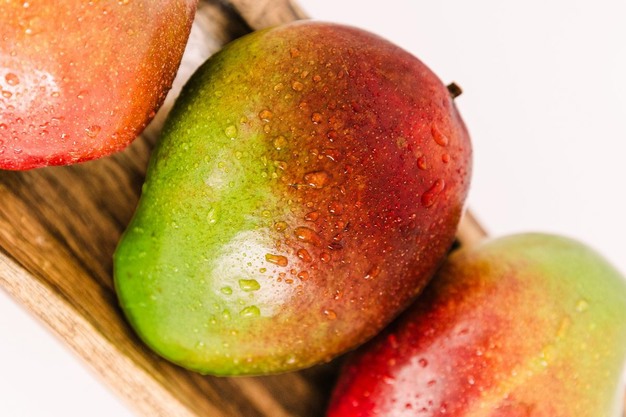 © Sun World LLC
Kankun mango.
Ultimately, growers, retailers, and consumers all have different interests and are looking for varieties that perform well and can be brought to market as quickly as possible. By tapping already field-proven citrus and mango collections and applying Sun World's global licensing and evaluation network, the company aims to compress time and breed for new varieties in the shortest possible time frame. "Our global network allows us to fast-track commercialization throughout the year or seasons, geographically, where performance is strongest."
 For more information:
Jennifer Sanchez
Sun World
Tel: +1 (831) 601-0826
[email protected]
www.sun-world.com