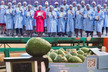
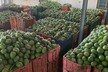
Suriname, located on South America's northern coast, is believed to be one of the birthplaces of the pineapple. For centuries, Indigenous women have cultivated the fruit using traditional methods passed down through generations. Despite this heritage, the country's pineapple sector has faced challenges, including limited access to technology, investment constraints, and a lack of opportunities for value-added processing.
"Pineapple cultivation is indispensable in our culture because it has been passed down from our grandmothers and mothers," said Wendeline Sabajo, Captain of Matta Village and Board Member of the Horticulture Innovation Hub. "But doing it the traditional way, by hand and season to season, is hard to maintain. The demand exists, but the supply cannot meet it."
Change is now underway through the Agrifood Systems Transformation Accelerator (ASTA), a joint initiative co-led by UNIDO and FAO and supported in Suriname by UNFPA and ILO. Funded by the Joint SDG Fund and the Islamic Development Bank, the project links Indigenous communities, women's cooperatives, researchers, and government agencies to strengthen the pineapple value chain.
"We are not forgetting our ways," Sabajo added. "We are building on them, with new tools, better techniques, and more voices at the table, especially women."
Central to this effort is the Horticulture Innovation Hub, a platform for training, research, and collaboration. Alongside the hub, a Loan Collateral Facility for pineapple growers now provides small-scale farmers with access to credit. These measures support the transition from seasonal to year-round organic production.
Women play a central role in the project, combining traditional knowledge with modern organic techniques. Through women's networks, trial plots have been launched to demonstrate sustainable production models. "The difference is visible," one participant said. "We are learning to manage our own plots, plan our harvests, and make decisions for our future."
A community-based digital platform now connects more than 100 farmers nationwide, offering technical advice, market data, and peer support. The initiative promotes continuity in knowledge exchange and coordination among growers.
In villages such as Matta, Indigenous producers are redefining pineapple cultivation. Tradition and technology are being combined to build a more resilient production system, rooted in community participation and women's leadership.
Source: UNSDG