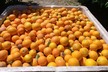
The lemon harvest season is now in full swing across the Northern Hemisphere, with concentrated picking also underway in major Chinese producing regions. Although local governments generally predict a 30% decline in lemon production this season, the actual harvest results make the overall production trend still uncertain.
"The domestic market is still in its consumption off-season, but it is also the peak period for lemon purchasing," another insider explained. "Driven by steady procurement and warehousing demand, prices, while high, remain relatively stable. Notably, the current price of lemons used as raw materials has risen to 10 RMB (1.38 USD) per kilogram, reaching its highest level in nearly a decade."
"This year's purchase price has reached a new peak, but end-user consumption has not yet fully recovered, leaving the overall market in a delicate balance," said another exporter. Some exporters believe that China's high lemon prices could challenge its competitiveness in the global market, especially given stable production levels in other Northern Hemisphere producing regions.

"The price of Egyptian lemons has also continued to climb. At present, the import price of Egyptian lemons in Southeast Asia has reached USD 20–22 per box, roughly matching the price of Chinese exports to the same market, marking a historic high in recent years," said an exporter. "Due to weather conditions and stronger domestic demand, Egyptian suppliers have reduced overall export volumes, pushing prices up across the global market."
According to the exporter, traditional suppliers such as Egypt and Turkey may redirect more of their shipments to Europe, limiting their export capacity to markets like the Middle East and Russia. "Buyers in these regions may turn to China instead, potentially boosting orders for Chinese lemons in the global market."
"If China can open up export capacity in advance and accurately align with this emerging demand, it will not only support export growth but also indirectly influence the domestic market," the industry insider noted. "Although this structural shift may not immediately affect early-season sales, its impact on subsequent market trends should not be underestimated."
Overall, despite production declines in some areas, the overall market supply remains relatively sufficient. Future market performance will depend on several factors, including cold chain logistics, export scheduling, and changes in international demand dynamics.