Ecuador's yellow pitahaya continues to gain ground in international markets, with a strong presence in Asia and Europe. However, the sector faces challenges related to climatic factors, high logistics costs, and increased certification requirements. Moreover, the recent trade agreement with Korea opens new opportunities for Ecuadorian exporters.
 © Ecuafields
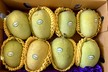
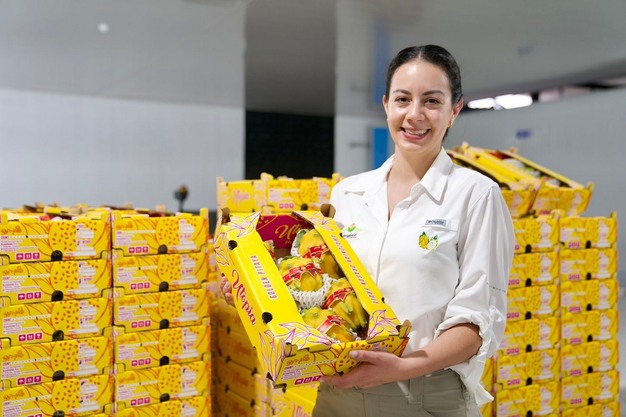
Since 2017, Ecuafields has been growing yellow pitahaya in the area of Palora, this fruit's main cultivation region in Ecuador. Thanks to the use of technology, the company can keep production consistent year-round and meet demand during key dates like Christmas in Europe and the Chinese New Year.
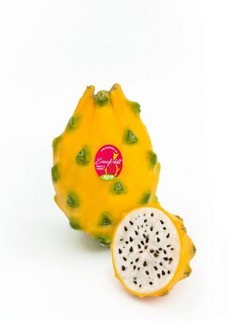
"Palora's yellow pitahaya is unique because of its size, sweetness, and digestive properties. That has opened demanding markets such as China," stated Gabriela Vallejo, Ecuafields' Sales Director. Asia has become one of the key destinations for Ecuadorian fruit, and the opening of the South Korean market is generating high expectations. "China also produces yellow pitahaya, but the quality and characteristics of Palora's pitahaya are unmatched," she added.
 © Ecuafields
Shipments are not limited to Asia. Europe, the United States, and Canada are also significant markets, with a growing demand for exotic products. "Europe has more and more variety. Spain, for example, is very interested in fruits like passion fruit, gulupa, and sweet cucumber. We didn't see so much dynamism in this segment a few years ago," Vallejo stated.
"2025 has brought significant challenges. Heavy rains in the Amazon from April to May led to a significant reduction in supply just as demand remained high. To address these fluctuations, Ecuafields has implemented new planning techniques. Our goal is to be able to offer fruit year-round, even during times when supply would naturally be low," she said.
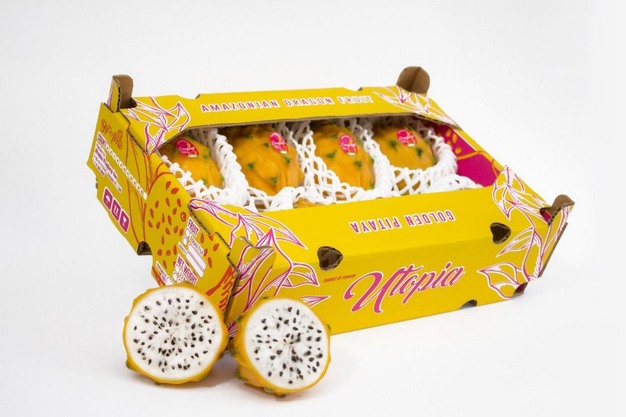
"A 2.5kg box of yellow pitahaya is currently sold for $12 to $13. However, half of this cost covers air freight. It is a product with highly fluctuating prices," Vallejo stated. Maritime transport is prioritized to send the product to the United States. In Canada, logistics face extra challenges due to reliance on a single airline, which is currently hindered by operational issues.
 © Ecuafields
In the future, the European market will require increased traceability, certifications, and organic production. "Supermarkets are demanding fruit with social and environmental support. This means adjusting processes and assuming higher costs," Vallejo stressed.
As part of its international strategy, Ecuafields will participate in Asia Fruit Logistica (from September 3 to 5 at stand 3F21) and at Madrid's Fruit Attraction fair. These are key fairs for analyzing trends and strengthening commercial relationships.
For more information:
Gabriela Vallejo
Ecuafields
Ecuador
Tel: +593 99068 0618
Email: [email protected]
www.ecuafields.com